Are Dumbbell Pullovers Good for Your Health?
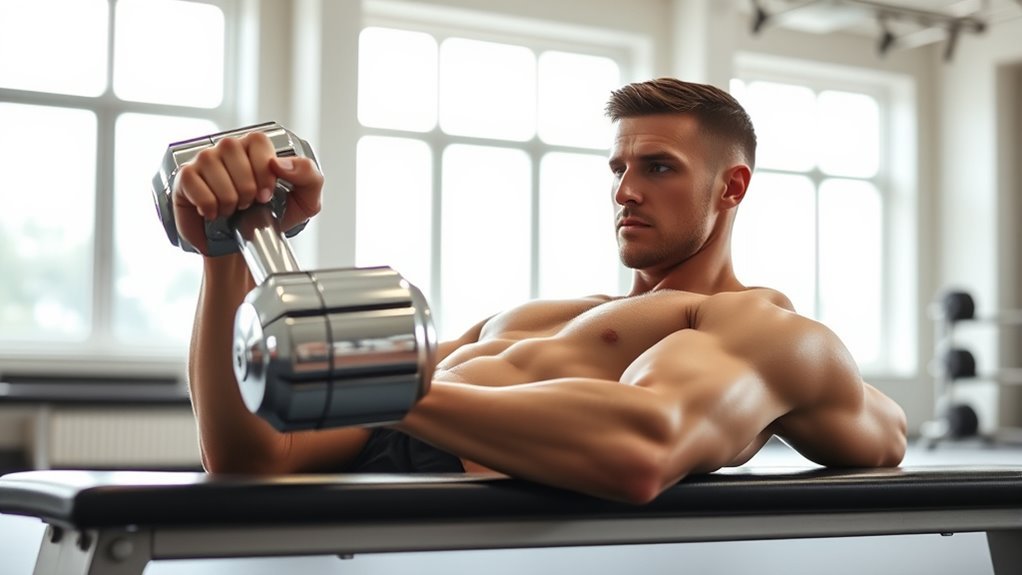
Dumbbell pullovers are great for your health because they strengthen your chest, back, and core muscles while improving shoulder and rib cage flexibility. This exercise is especially effective for enhancing overall upper body strength.
Plus, it plays a role in expanding lung capacity and boosting respiratory function, which helps make your breathing more efficient.
Just be sure to use proper form to avoid shoulder or back injuries, especially if you have existing issues. It’s always a good idea to start with lighter weights and gradually increase as you get more comfortable.
If you want to explore how dumbbell pullovers compare to other exercises and fit into your workouts, there’s plenty to discover. Give them a try and see how they can benefit your fitness routine!
Key Takeaways
- Dumbbell pullovers strengthen chest, back, and core muscles. This helps enhance your upper body strength and muscular balance.
- They also improve thoracic mobility and expand lung capacity. That’s great for your breathing and overall respiratory function.
- Using proper form is key. It reduces injury risk and helps you get the most flexibility gains in your shoulders and rib cage.
- But watch out—overextending or using poor technique can strain your shoulders and lower back. So, it’s important to move in a controlled way and be cautious.
- Dumbbell pullovers fit well into different workout routines. When done right, they promote strength, flexibility, and better respiratory health.
Understanding the Anatomy Engaged in Dumbbell Pullovers
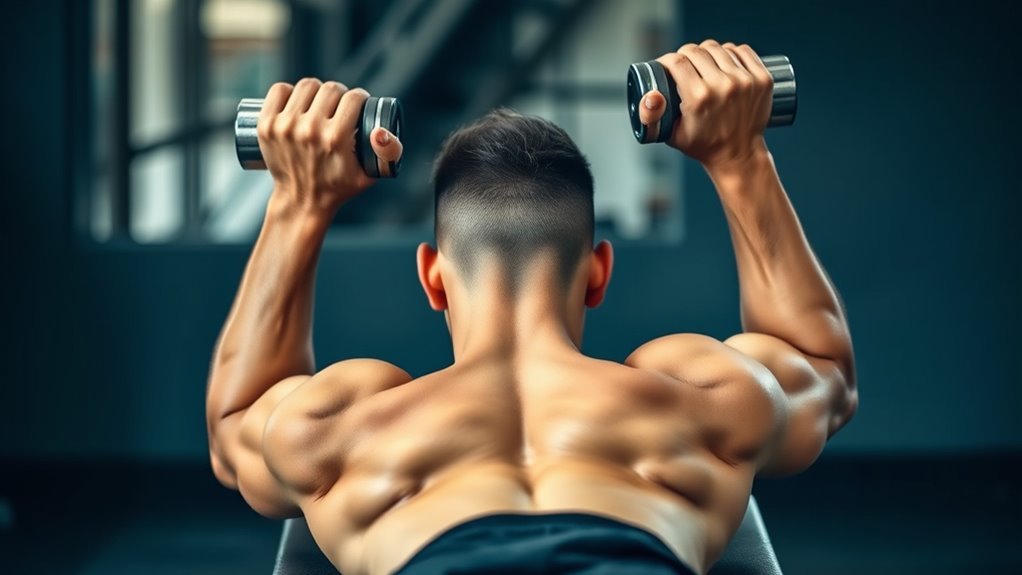
Although dumbbell pullovers seem simple, they engage several key muscle groups in your upper body. When you perform this exercise, your chest muscles, specifically the pectoralis major, work hard to control the movement.
Your latissimus dorsi, the large muscles on your back, also activate to help pull the weight over your head. Additionally, your serratus anterior, located along the ribs, assists in stabilizing your shoulder blades.
Your triceps play a supporting role by extending your elbows during the motion. The core muscles engage to maintain balance and proper posture.
Understanding these muscles’ involvement helps you perform pullovers with better form and avoid injury. This knowledge lays the foundation for appreciating how this exercise fits into your overall training plan.
Benefits of Incorporating Dumbbell Pullovers in Your Routine
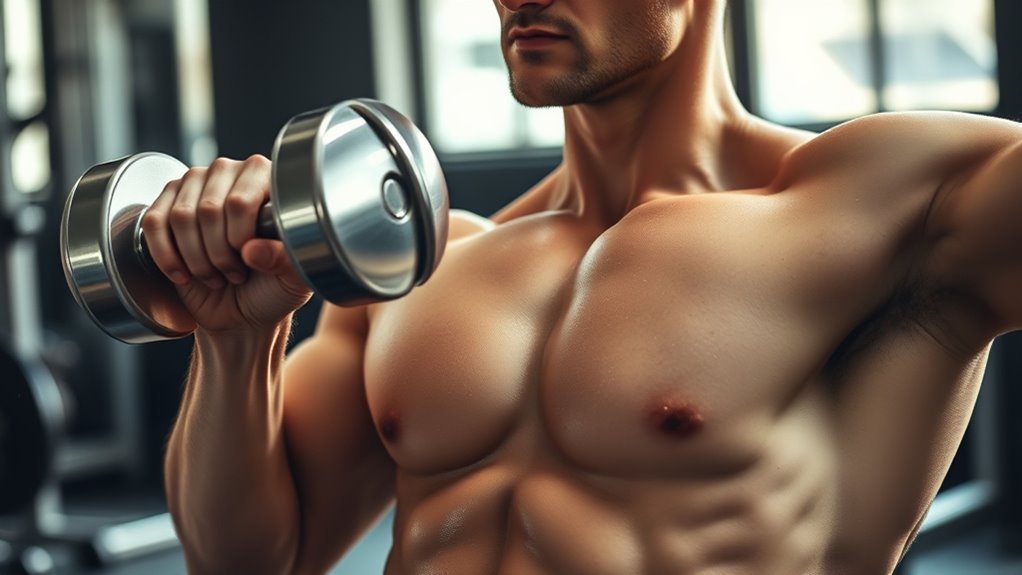
When you add dumbbell pullovers to your workout, you target multiple muscle groups simultaneously, making your routine more efficient and effective. This exercise not only strengthens your chest and back but also engages your core, improving overall stability.
Here are three key benefits you’ll notice:
- Enhanced Upper Body Strength – Pullovers work your pectorals, lats, and serratus anterior, boosting muscular balance and power.
- Improved Flexibility – The movement stretches your chest and rib cage, increasing thoracic mobility.
- Better Respiratory Function – By expanding your rib cage, pullovers can aid in deeper breathing and lung capacity.
Incorporating dumbbell pullovers consistently can elevate your fitness level, making your workouts more well-rounded and functional. Give them a try—you might be surprised at how much they add to your routine!
Common Mistakes to Avoid During Dumbbell Pullovers
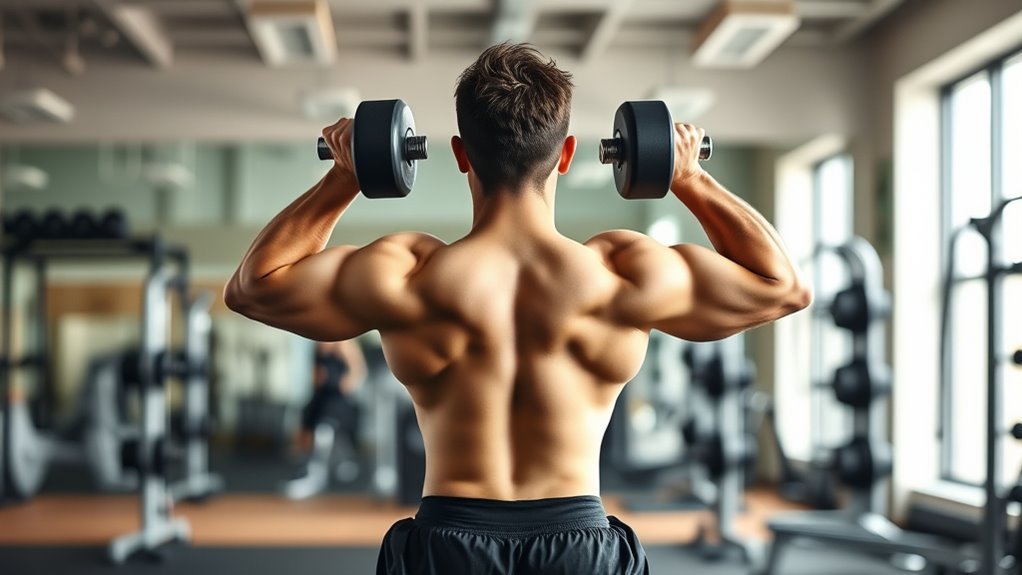
When doing dumbbell pullovers, you need to keep your form tight to avoid injury. Overextending your shoulders can put unnecessary strain on your joints.
Let’s look at how to steer clear of these common mistakes. It’s all about keeping control and listening to your body.
Improper Form Risks
If you don’t maintain proper form during dumbbell pullovers, you risk straining your shoulders and lower back. To avoid injury and get the most out of this exercise, focus on these key points:
- Keep a controlled motion. Don’t let the dumbbell drop quickly behind your head; sudden movements increase injury risk.
- Maintain a neutral spine. Avoid arching your back excessively, which puts unnecessary pressure on your lumbar region.
- Engage your core and stabilize your shoulders. This support prevents overloading your joints and helps distribute the effort evenly.
Just take it slow and steady, and you’ll keep yourself safe while making gains!
Overextension Dangers
Although dumbbell pullovers can be highly effective, overextending your arms during the movement can lead to serious strain and injury. When you lower the dumbbell too far behind your head, it puts excessive stress on your shoulder joints and chest muscles.
This overextension can cause discomfort, muscle tears, or even joint damage over time. So, to avoid this, control the range of motion and stop when your upper arms are roughly parallel to the floor.
Keep your core engaged and maintain a slight bend in your elbows to protect your joints. Remember, quality beats quantity—don’t push beyond your flexibility limits.
How Dumbbell Pullovers Improve Respiratory Function
When you do dumbbell pullovers, you actively expand your lung capacity and strengthen the muscles involved in breathing. This exercise helps improve how efficiently your body takes in oxygen.
Expanding Lung Capacity
Because dumbbell pullovers engage the muscles around your chest and ribcage, they help you take deeper breaths and improve lung capacity. This exercise stretches your chest wall and ribcage, allowing your lungs to expand more fully.
When you perform pullovers regularly, you’ll notice these benefits:
- Increased thoracic flexibility – Your ribcage becomes more mobile, making it easier to inhale deeply.
- Enhanced lung volume – The stretch encourages your lungs to expand further, improving oxygen intake.
- Improved breathing efficiency – With more lung capacity, your body uses oxygen more effectively during physical activity.
Incorporating dumbbell pullovers into your routine can boost your respiratory function by helping your lungs work at their full potential during each breath. Give it a try and feel the difference in how you breathe!
Strengthening Respiratory Muscles
Improving your lung capacity sets the stage for strengthening the muscles that support breathing. Dumbbell pullovers specifically target the diaphragm and intercostal muscles, which play key roles in respiratory function.
As you perform the movement, your chest expands and contracts, forcing these muscles to work harder. This increased workload builds their strength and endurance over time.
Stronger respiratory muscles make breathing more efficient, especially during physical activities or periods of exertion. By regularly incorporating dumbbell pullovers into your routine, you enhance the stability and flexibility of the chest wall.
This not only supports better lung function but also reduces the effort required to breathe deeply. Ultimately, dumbbell pullovers help you breathe easier and support overall respiratory health.
Enhancing Oxygen Intake
How exactly do dumbbell pullovers help boost your oxygen intake? This exercise stretches and strengthens your chest and rib cage, expanding your lung capacity.
As you perform the movement, your lungs can fill more efficiently, allowing more oxygen to enter your bloodstream. Here’s how it works:
- Chest Expansion: Pullovers engage your intercostal muscles, increasing the flexibility of your rib cage.
- Diaphragm Activation: The stretch enhances diaphragm movement, improving your breathing depth.
- Improved Circulation: Enhanced lung function supports better oxygen delivery to muscles and organs.
Comparing Dumbbell Pullovers to Other Upper Body Exercises
When you compare dumbbell pullovers to other upper body exercises, you’ll find they uniquely target both the chest and back muscles simultaneously. This dual engagement sets them apart from exercises focusing solely on one muscle group.
You’ll also notice that dumbbell pullovers can improve flexibility in your rib cage and shoulders more than many standard lifts. Pretty cool, right?
| Exercise | Primary Muscle Focus |
|---|---|
| Dumbbell Pullovers | Chest & Back |
| Bench Press | Chest |
| Lat Pulldown | Back |
| Push-Ups | Chest & Triceps |
| Dumbbell Rows | Back & Biceps |
Choosing pullovers can add variety and all-encompassing upper body conditioning to your routine. So, if you want to mix things up, they’re definitely worth a try!
Potential Risks and Who Should Be Cautious
Although dumbbell pullovers offer many benefits, they carry potential risks that you should be aware of before adding them to your workout. If you’re not careful, this exercise can strain your shoulders, neck, or lower back.
Here are three key points to contemplate:
Here are three important factors to consider before adding dumbbell pullovers to your workout routine.
- Shoulder Injuries: If you have a history of shoulder problems, dumbbell pullovers might aggravate them due to the overhead motion.
- Limited Mobility: Tight chest or shoulder muscles can increase your risk of injury during the exercise.
- Lower Back Stress: Poor control or excessive arching of your back while performing pullovers can lead to discomfort or injury.
If any of these apply to you, it’s a good idea to consult a healthcare professional before including dumbbell pullovers in your routine. Better safe than sorry!
Tips for Proper Form and Technique
To get the most out of dumbbell pullovers and protect your body, you need to focus on proper form and technique. Start by lying flat on a bench, holding the dumbbell with both hands above your chest.
Keep a slight bend in your elbows throughout the movement to reduce joint strain. Slowly lower the dumbbell in an arc behind your head until you feel a stretch in your chest and lats, but don’t overstretch.
Engage your core to stabilize your torso and avoid arching your back. Pull the dumbbell back to the starting position with controlled motion, focusing on the muscles working.
Maintain steady breathing and avoid rushing. Mastering this technique helps maximize benefits while minimizing injury risks.
Integrating Dumbbell Pullovers Into Different Workout Plans
Since dumbbell pullovers target both the chest and back muscles, you can easily include them in various workout routines to enhance upper body strength and flexibility. To get the most from this exercise, consider these approaches:
- Strength Training Split: Add pullovers on back or chest day to complement presses and rows. This helps improve muscle balance.
- Full-Body Workouts: Incorporate pullovers as a compound movement to engage multiple muscle groups. It’s a great way to boost efficiency.
- Flexibility and Mobility Routines: Use lighter weights with controlled motion to enhance shoulder mobility and thoracic extension. This makes the exercise feel smooth and beneficial.
Frequently Asked Questions
Can Dumbbell Pullovers Help With Weight Loss?
Yes, dumbbell pullovers can help with weight loss by engaging multiple muscle groups, boosting your metabolism, and increasing calorie burn.
They work your chest, back, and core all at once, which means more muscles are active. This helps burn more calories even after your workout.
Combine them with cardio and a healthy diet to see the best results.
That way, you’ll lose weight more effectively and feel stronger too.
How Often Should Beginners Perform Dumbbell Pullovers Weekly?
You might want to start with two to three sessions weekly, contrasting that with more frequent workouts later.
This balance lets your muscles adapt without overdoing it. It helps you build strength safely and steadily.
Do Dumbbell Pullovers Require Any Special Equipment Besides Dumbbells?
You don’t need special equipment besides dumbbells for pullovers. A sturdy bench or flat surface helps support your back, but you can also do them lying on the floor.
Just make sure you have enough space and good form. It’s all about feeling comfortable and safe while you work out.
Can Dumbbell Pullovers Improve Posture Over Time?
Yes, dumbbell pullovers can improve your posture over time by strengthening your chest, shoulders, and upper back muscles.
Consistently doing them helps balance muscle development, which supports better alignment and reduces slouching.
Are Dumbbell Pullovers Suitable for People With Shoulder Injuries?
Since 67% of shoulder injuries worsen with improper movement, you shouldn’t do dumbbell pullovers if you have shoulder issues.
Always consult a physical therapist first to avoid aggravating your injury and find safer exercise alternatives.
Conclusion
Dumbbell pullovers aren’t just another exercise—they’re a powerful tool that can transform your upper body and boost your breathing. When done right, they engage multiple muscles and enhance respiratory function, making your workouts more effective.
But remember, a small mistake can turn a benefit into a risk. So, approach them with care and proper form.
After all, your health deserves more than just effort—it deserves excellence. Incorporating dumbbell pullovers into your fitness routine can improve muscle strength and lung capacity, promoting overall well-being. Just be sure to focus on technique to avoid injury and maximize the health benefits these exercises offer.