How Much Weight Does a Bench Press Bar Have?
A bench press bar typically weighs between 33 and 45 pounds, depending on its type. When we talk about bench press bars, the weight can vary quite a bit.
Standard bars often weigh around 33 pounds, while Olympic bars usually hit 44 to 45 pounds.
Specialty bars like Swiss or cambered versions might weigh less or more, and this can impact your total lift. It’s super important to know your bar’s exact weight so you can track your progress accurately.
Plus, understanding the bar weight helps you avoid injury.
Keep exploring to understand the variations and how bar weight affects your workout results. Knowing these details makes a big difference when you’re planning your training.
Key Takeaways
- Standard bench press bars typically weigh around 45 pounds (20.4 kg) and measure about 7 feet in length.
- Olympic bench press bars usually weigh 44 pounds (20 kg) with similar dimensions to standard bars.
- Specialty bars like Swiss or cambered bars vary in weight, generally ranging from 15 to 35 pounds.
- Knowing the exact bar weight is crucial for accurate workout tracking and preventing injury.
- Bar weights can differ by manufacturer, so always verify the specific bar weight before lifting.
Standard Weight of a Bench Press Bar
Although bench press bars come in various sizes, the standard bar most gyms use weighs 45 pounds (20.4 kilograms).
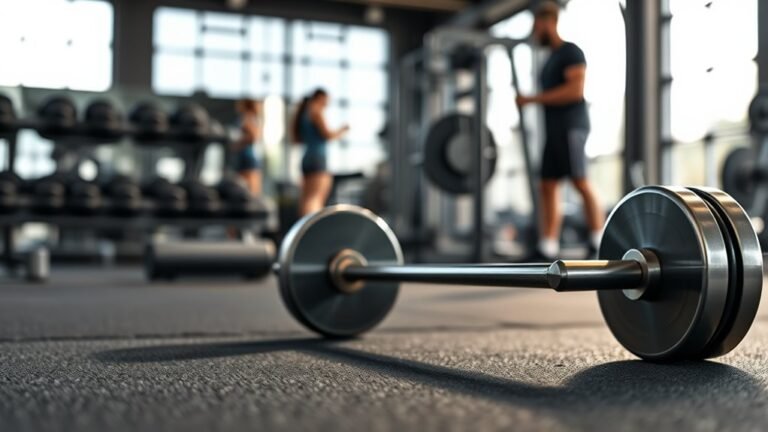
When you step up to the bench, you’ll notice this bar is about 7 feet long and designed to hold weight plates on both ends securely.
This consistent weight helps you track your progress accurately since you always know the bar’s weight before adding plates.
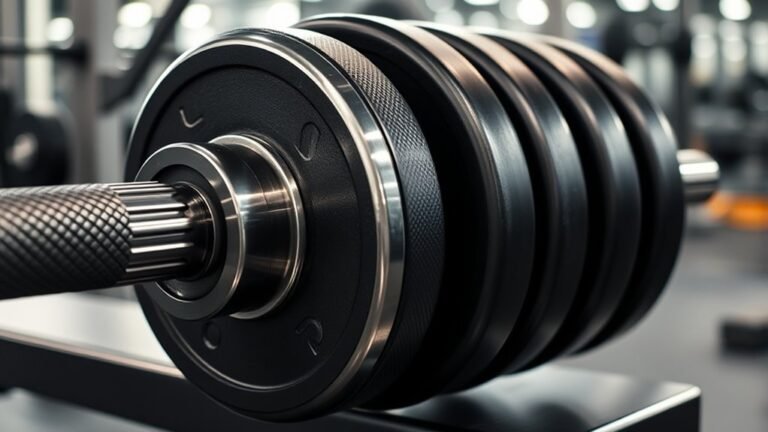
The 45-pound bar is made from steel and has a knurled grip area to prevent slipping during your lift.
It’s built to withstand heavy loads, supporting your strength training safely.
Different Types of Bench Press Bars
You’ll find several types of bench press bars, each with unique specs and uses. Standard bars have consistent weight and size, making them a reliable choice for many lifters.
Olympic bars come in various lengths and weights to suit different lifts. They’re versatile and commonly used in gyms.
Specialty bars add more options. These are designed for specific training goals or to reduce strain during your workout. They can really change up your routine.
Standard Bar Specifications
When you choose a bench press bar, understanding the standard specifications can help you pick the right one for your workouts. Most standard bars weigh around 20 kilograms (44 pounds) and measure about 7 feet in length.
They usually have a diameter of 28-29 millimeters, which affects grip comfort. The knurling—the textured part of the bar—varies by bar type, influencing how securely you can hold it.
Here are some key specs to keep in mind:
- Length: Typically 7 feet (2.13 meters)
- Weight: Usually 20 kg (44 lbs)
- Diameter: Around 28-29 mm for grip
- Knurling: Different textures for grip security
Knowing these specs guarantees you select a bar that fits your strength level and training style. It really makes a difference when you find one that feels right in your hands!
Olympic Bar Variations
Standard bars set a solid baseline, but Olympic bars offer a range of options tailored to different lifting needs. When you choose an Olympic bar, you’ll notice variations in length, diameter, and weight.
The most common Olympic bar for bench pressing weighs 20 kg (44 lbs) and measures about 7 feet long. However, there are also lighter versions, like the 15 kg (33 lbs) women’s bar, which is slightly shorter and thinner, making it easier to grip.
Some Olympic bars feature different knurling patterns or sleeves that rotate smoothly, reducing wrist strain and improving control. By understanding these variations, you can pick the bar that fits your strength level and training style.
This way, you’ll maximize your performance safely and effectively.
Specialty Bars Overview
Although Olympic bars cover most lifting needs, specialty bars can offer unique benefits that enhance your bench press experience. These bars are designed to target specific muscle groups, improve grip, or accommodate physical limitations.
Choosing the right specialty bar can help you train smarter and reduce injury risk.
Here are four common types of specialty bench press bars:
- Swiss Bar (Football Bar): Neutral grip handles reduce shoulder strain and improve pressing comfort.
- Cambered Bar: Features a bend in the middle, increasing the range of motion for deeper presses.
- Safety Squat Bar: Though mainly for squats, it can be used for bench pressing with a different grip and balance.
- Triceps Bar: Allows for a narrower grip to focus more on triceps during pressing movements.
Give these bars a try and see which one fits your goals best. It’s all about finding what works for you!
Variations in Bar Length and Diameter
You’ll notice bench press bars come in different lengths and diameters, which can affect how much weight they hold and how they feel during your lift.
Standard bars typically measure around 7 feet long with a diameter close to 28mm, but specialty bars might vary to suit specific training needs.
Understanding these variations helps you choose the right bar for your workout and goals. It’s all about finding what works best for you!
Standard Bar Dimensions
When choosing a bench press bar, you’ll notice variations in both length and diameter that affect performance and comfort. Standard bars typically measure around 7 feet (2.13 meters) in length, giving you enough room for balanced weight distribution and proper grip spacing.
The diameter usually ranges between 28mm and 29mm, which feels comfortable in your hands and supports a firm grip without excessive strain.
Here’s what you can expect with standard bar dimensions:
- Length: Approximately 7 feet (2.13 meters)
- Diameter: Generally 28mm to 29mm
- Weight: Usually 20 kilograms (44 pounds)
- Sleeve length: About 16 inches to hold weight plates securely
Understanding these dimensions helps you pick a bar that suits your lifting style and gym setup. It’s all about finding the right fit for you!
Specialty Bar Sizes
While standard bars offer a reliable baseline, specialty bars come in various lengths and diameters to cater to different training goals and body mechanics. You’ll find bars designed for specific lifts, accommodating different grip widths and hand sizes.
These variations affect not only comfort but also the bar’s weight and performance.
Here’s a quick overview of common specialty bars:
| Bar Type | Length (ft) | Diameter (inches) |
|---|---|---|
| Olympic Curl Bar | 5.5 | 1.0 |
| Safety Squat Bar | 6.5 | 2.0 |
| Trap Bar | 5.0 | 1.25 |
Knowing these details helps you choose the right bar for your workout and understand its weight impact.
Weight Differences Between Olympic and Standard Bars
Although both Olympic and standard bars serve the same basic purpose, they differ considerably in weight, which can affect your lifting experience and progress. Olympic bars typically weigh 44 pounds (20 kilograms), offering a solid, standardized feel used in most gyms and competitions.
Standard bars are lighter, usually around 33 pounds (15 kilograms), and suit home gyms or beginners.
Here’s how these differences impact you:
- Olympic bars provide a consistent baseline for tracking your strength gains.
- Standard bars are easier to handle for newcomers starting with lighter weights.
The weight variance influences your total lifted load, so always factor bar weight into your calculations.
Grip diameter and bar length also differ, affecting comfort and technique. Choosing the right bar really depends on your training goals and experience level.
Specialty Bars and Their Weights
Since specialty bars cater to specific exercises, their weights can vary considerably from standard and Olympic bars. When you pick up a specialty bar, like a Swiss bar or a cambered bar, expect weights ranging from 15 to 30 pounds, sometimes more.
For example, a Swiss bar usually weighs around 25 pounds, allowing you to target your triceps and shoulders differently than a straight bar. Cambered bars, designed for a deeper range of motion, typically weigh between 20 and 35 pounds.
Trap bars, used for deadlifts and shrugs, often weigh about 45 pounds, similar to an Olympic barbell but shaped differently. Knowing these weights helps you track your progress accurately during your workouts and guarantees you’re lifting safely and effectively.
How Bar Weight Affects Your Workout
Understanding how the weight of the bar influences your workout can help you optimize your training and prevent injury. The bar’s weight directly affects the total load you lift, impacting your strength gains and workout intensity.
Knowing the bar weight is key to optimizing your workout and avoiding injury.
If you overlook the bar’s weight, you might misjudge your progress or strain muscles unexpectedly. Adjusting to the bar weight ensures proper form and balanced muscle engagement.
Consider these points about bar weight’s impact on your workout:
- It determines the baseline load before adding plates.
- Heavier bars increase overall resistance, requiring more effort.
- Lighter bars may allow for higher reps or focus on technique.
- Knowing the bar weight helps you track progress accurately and avoid overtraining.
Being aware of bar weight lets you train smarter and safer. It’s a small detail that makes a big difference!
Tips for Accurately Measuring Bar Weight
When you want to know exactly how much weight you’re lifting, measuring your bench press bar accurately is vital. First, check if the bar has a manufacturer’s label indicating its weight. If not, use a reliable scale—preferably a gym or bathroom scale—to weigh the bar alone.
Place the bar carefully on the scale to get an accurate reading, avoiding any movement. If the bar is too long for your scale, weigh it in sections or use a scale designed for larger objects.
Always subtract the weight of any collars or clips before recording the bar’s weight. Finally, double-check your measurements to ensure accuracy, especially if you switch between different bars in your workout sessions.
Common Misconceptions About Bench Press Bars
Although bench press bars might seem straightforward, many lifters hold onto misconceptions that affect their training. You might assume all bars weigh the standard 45 pounds, but variations exist depending on the type and manufacturer.
Another common misunderstanding is that bar weight is negligible when adding plates, yet it can impact your total lift noticeably. Some think all bars bend the same under weight, but factors like bar quality and composition play a role.
Don’t overlook bar weight or quality—both significantly influence your total lift and how the bar flexes under load.
Finally, many believe the bar’s knurling (the grip texture) doesn’t influence performance, but it can affect your grip security.
Here are four common misconceptions:
- All bench press bars weigh exactly 45 pounds
- Bar weight is insignificant compared to plates
- Every bar flexes identically under load
- Knurling doesn’t affect grip or lift quality
Frequently Asked Questions
How Do I Choose the Right Barbell for My Fitness Level?
You should pick a barbell that matches your strength and goals. Start with a lighter weight to master form, then gradually increase.
Don’t forget to take into account grip size, bar length, and your workout type for best results. It really helps to find a bar that feels comfortable and suits what you’re aiming to achieve.
What Are the Safety Tips for Bench Pressing With Heavy Bars?
Always use a spotter when bench pressing heavy bars, and make sure to warm up properly before you start. Keeping your wrists straight is super important to avoid strain.
Try to maintain controlled movements throughout your lift. Avoid bouncing the bar off your chest—that can really cause injury. And remember, never lift beyond your current strength to stay safe.
Can Barbell Weight Affect Muscle Growth Speed?
Your muscles grow faster when you challenge them with the right barbell weight—it’s like fueling a fire; too little won’t spark growth, too much risks burnout.
How Often Should I Replace My Bench Press Bar?
You should replace your bench press bar when it shows signs of wear, like bent shafts, rust, or loose sleeves.
Typically, inspect it every 6-12 months. This is especially important if you train frequently or lift heavy weights regularly.
Are There Bars Specifically Designed for Home Gym Use?
Just like a trusty steed built for city streets, yes, you’ll find bars designed specifically for home gyms—they’re lighter, compact, and versatile.
They help you conquer your personal fitness journey without the bulk or cost of commercial equipment.
Conclusion
Now that you know a bench press bar usually weighs around 45 pounds, you’re basically lifting a small superhero every time you hit the gym! Whether it’s an Olympic bar, a specialty bar, or something a bit lighter, that bar isn’t just metal—it’s your trusty sidekick in smashing goals.
So, don’t underestimate its weight; it’s doing way more work than you think, pushing you toward those epic gains! Understanding how much weight a bench press bar has can really change how you approach your workout. It’s not just about the plates you add; that bar plays a crucial role in your total lift.
Remember, the standard bench press bar typically weighs 45 pounds, which is important to factor into your training and progress tracking. Knowing this helps you plan your sets better and ensures you’re lifting safely and effectively. So next time you hit the bench press, appreciate the bar—because it’s the foundation of your strength training success!