Does Using a Vibration Plate Help Relieve Sciatica Pain?
Yes, using a vibration plate can help relieve sciatica pain by stimulating your muscles and improving circulation in your lower back, hips, and legs. This kind of therapy promotes muscle relaxation and reduces nerve irritation, which is often a big part of sciatica discomfort.
Plus, it supports better spinal alignment, easing the pressure on the sciatic nerve.
When you start, it’s best to go slow with low intensity and focus on maintaining correct posture. This approach helps prevent aggravating your symptoms.
If you’re curious about how to use a vibration plate safely and effectively, keep exploring your options. There are plenty of tips and techniques to make the most out of this treatment.
Key Takeaways
- Vibration plates stimulate muscles and improve circulation, which can help reduce nerve compression that causes sciatica pain.
- This kind of therapy promotes muscle relaxation and better spinal alignment, which might ease irritation of the sciatic nerve.
- Scientific studies suggest that vibration therapy may lower pain intensity and reduce inflammation near the sciatic nerve.
- When used with proper posture and on a low intensity setting, vibration plates are generally safe. They can also work well alongside other sciatica treatments.
- Doing vibration plate exercises like pelvic tilts and glute bridges can boost flexibility and core strength.
- These exercises support sciatic relief and make the whole treatment more effective.
Understanding Sciatica and Its Causes
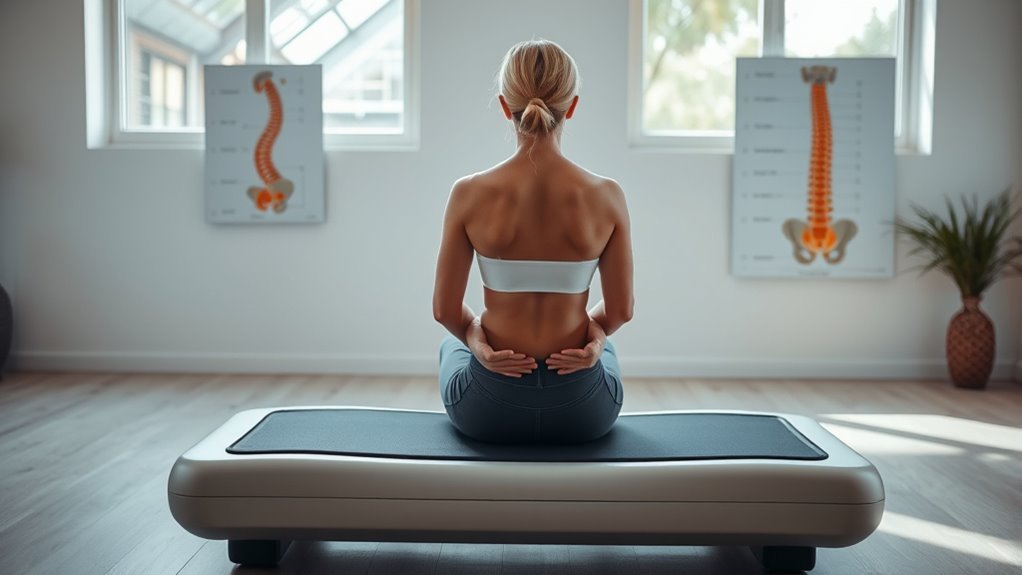
Although sciatica can cause intense discomfort, understanding its root causes can help you manage the pain more effectively. Sciatica occurs when the sciatic nerve, which runs from your lower back down each leg, becomes irritated or compressed.
Understanding sciatica’s root causes is key to managing and relieving your pain effectively.
This irritation often results from a herniated disc, spinal stenosis, or muscle spasms that put pressure on the nerve. You might feel sharp pain, numbness, or tingling sensations along your leg or lower back.
Factors like poor posture, prolonged sitting, or sudden movements can worsen your symptoms. By identifying what triggers your sciatica, you can take steps to avoid aggravating the nerve and better control your pain.
Recognizing these causes lays the foundation for choosing effective treatments and improving your daily comfort. So, get to know your triggers and start feeling better sooner!
How Vibration Plate Therapy Works
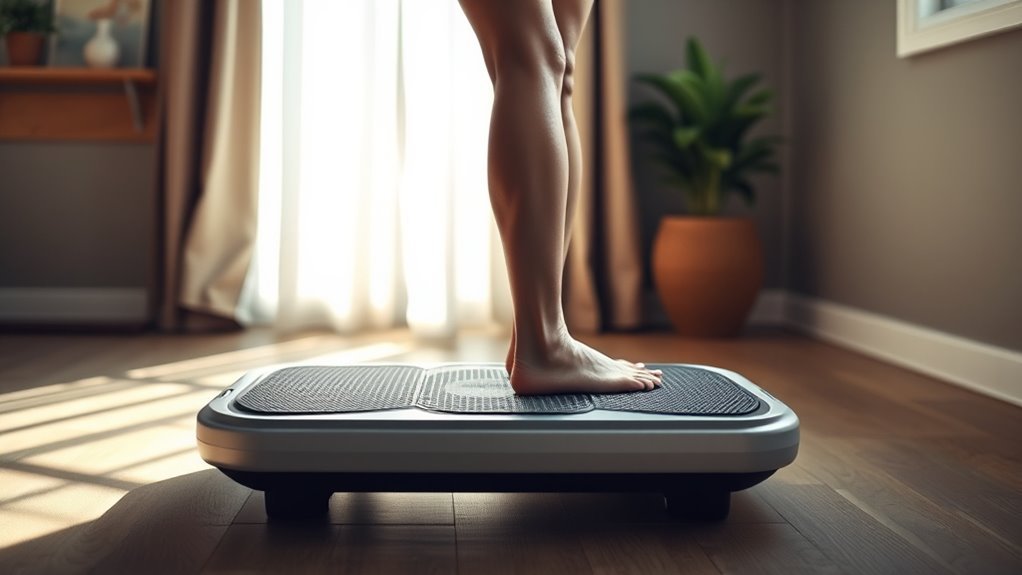
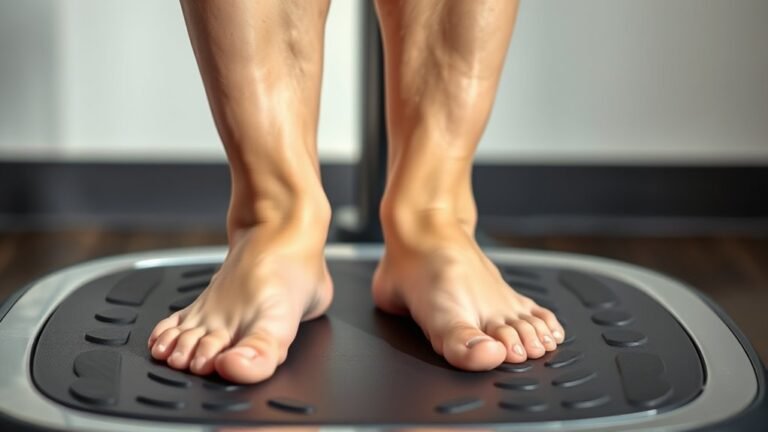
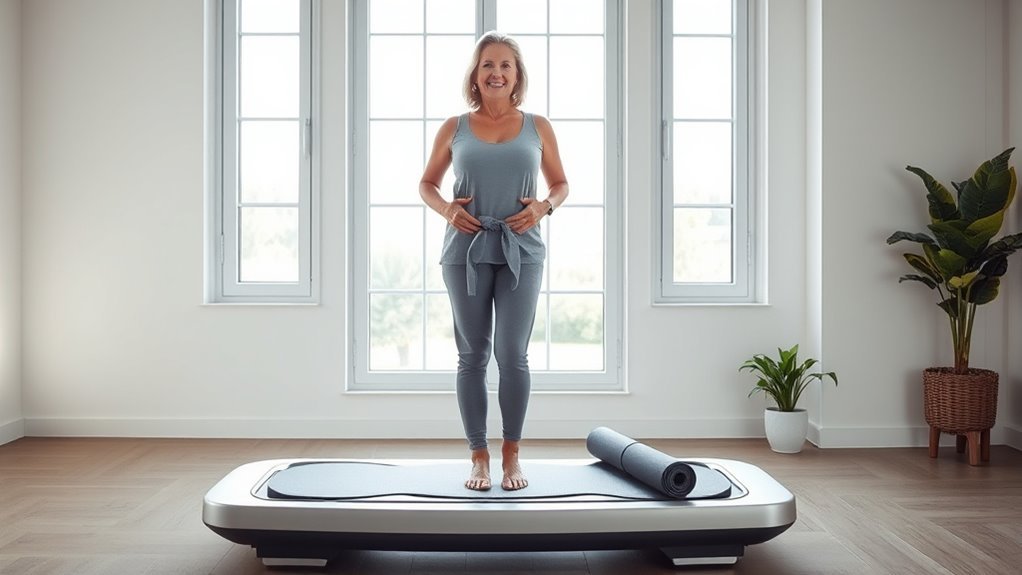
Knowing what triggers your sciatica can guide you toward treatments that relieve pressure on the nerve. Vibration plate therapy works by sending rapid vibrations through your body while you stand or perform exercises on the platform.
These vibrations stimulate your muscles, improving circulation and encouraging muscle relaxation around the affected nerve. As your muscles contract and relax repeatedly, tension decreases, potentially easing the nerve’s compression.
The therapy also activates sensory receptors, which can interrupt pain signals sent to your brain. By engaging your core and stabilizing muscles during sessions, you support spinal alignment, which may reduce irritation.
Though it’s not a direct cure, vibration therapy targets the underlying muscle issues that contribute to sciatica discomfort. This helps you manage symptoms more effectively.
Potential Benefits of Vibration Plates for Sciatica
You can find relief from sciatica pain by using vibration plates, which help reduce discomfort through gentle muscle stimulation. They also improve blood circulation, promoting faster healing in affected areas.
Plus, vibration plates encourage muscle relaxation, easing tension that often worsens sciatica symptoms. It’s a simple way to help your body feel better and move more comfortably.
Pain Relief Mechanisms
When you use a vibration plate, it stimulates your muscles and nerves in ways that can reduce sciatica pain. The vibrations activate sensory receptors, which can override pain signals sent to your brain, providing temporary relief.
This process, known as the gate control theory of pain, helps block discomfort by distracting your nervous system. Additionally, the vibrations cause your muscles to contract and relax rapidly, which can release tension and reduce stiffness around the sciatic nerve.
Improved Blood Circulation
Although sciatica pain can be stubborn, using a vibration plate can boost blood circulation in the affected areas, helping speed up healing and reduce inflammation. When your blood flows better, it delivers more oxygen and nutrients to your damaged tissues, which supports recovery.
Plus, improved circulation helps flush out waste products that can worsen pain.
Here’s how vibration plates enhance blood flow:
- Stimulate capillary dilation, increasing blood volume to muscles and nerves.
- Activate the muscle pump mechanism, encouraging venous return.
- Promote faster removal of inflammatory substances around the sciatic nerve.
- Enhance lymphatic drainage, reducing fluid buildup and swelling.
Using a vibration plate regularly could help your body heal more efficiently and ease sciatica discomfort.
Muscle Relaxation Effects
Since muscle tension often worsens sciatica pain, using a vibration plate can help by promoting deep muscle relaxation. The gentle vibrations stimulate your muscles, reducing tightness and spasms that contribute to discomfort.
This relaxation improves your range of motion and eases nerve pressure, helping to alleviate pain.
| Benefit | How It Helps Sciatica |
|---|---|
| Muscle tension relief | Loosens tight muscles that irritate nerves |
| Spasm reduction | Decreases involuntary muscle contractions |
| Increased flexibility | Improves joint mobility and reduces stiffness |
| Nerve decompression | Lessens pressure on the sciatic nerve |
| Enhanced relaxation | Promotes overall comfort and pain relief |
Using a vibration plate regularly can make your muscles feel looser. This helps you manage sciatica symptoms more effectively.
Scientific Research on Vibration Plates and Sciatica Relief
Research has increasingly explored how vibration plates can ease sciatica symptoms by stimulating muscles and nerves. If you’re considering this method, here’s what studies have found:
Vibration therapy may improve blood circulation, reducing inflammation around the sciatic nerve. It can activate deep muscles, which supports spinal alignment and relieves pressure.
Some trials report decreased pain intensity after consistent use over several weeks. Vibration plates might enhance nerve signal transmission, potentially speeding recovery.
While results are promising, they vary among individuals, so personal experience can differ. You should view vibration plates as one tool in managing sciatica rather than a guaranteed cure.
Staying informed about ongoing research helps you make smarter choices for your pain relief strategy. So, keep an eye on new studies and see what works best for you!
Safety Considerations When Using Vibration Plates
While vibration plates show potential for easing sciatica symptoms, you need to use them carefully to avoid injury or worsening pain. Start with low intensity, maintain proper posture, and limit session duration.
Always consult your healthcare provider before beginning vibration therapy, especially if you have underlying health issues. It’s better to be safe and get personalized advice.
| Safety Tip | Reason | Action |
|---|---|---|
| Start Low Intensity | Prevents muscle strain | Use low vibration settings first |
| Maintain Posture | Avoids aggravating sciatica | Stand straight, knees slightly bent |
| Limit Duration | Reduces fatigue and irritation | Keep sessions under 15 minutes |
| Consult Professional | Ensures safe, tailored use | Talk to your doctor before starting |
Recommended Vibration Plate Exercises for Sciatica
You’ll want to focus on exercises that target your lower back, hips, and glutes to ease sciatica pain. Gentle stretches and controlled core strengthening moves on the vibration plate can help improve flexibility and support.
Let’s look at some effective exercises you can try safely. These moves are designed to be gentle but powerful enough to make a difference. Ready to get started?
Targeted Lower Back Movements
Because your lower back plays a crucial role in supporting your spine, focusing on targeted movements on a vibration plate can help alleviate sciatica pain and improve mobility. These exercises activate muscles, increase circulation, and reduce stiffness.
Try these effective moves:
- Pelvic Tilts: Stand on the plate with knees slightly bent. Tilt your pelvis forward and backward to engage lower back muscles.
- Standing Back Extensions: Place hands on hips and gently arch your lower back while standing on the plate.
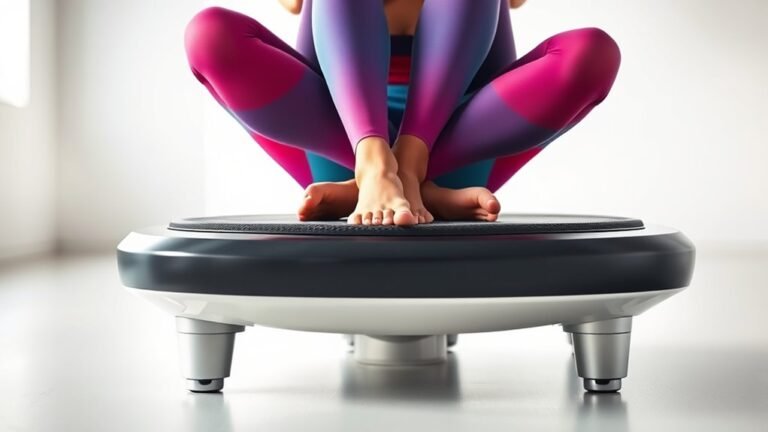
- Seated Vibration: Sit on the plate with feet flat on the floor, maintaining an upright posture to stimulate lower back muscles.
- Side Bends: Stand with feet shoulder-width apart and slowly bend sideways, engaging obliques and lower back.
Incorporate these into your routine to strengthen your lower back safely. It’s a great way to keep things moving without overdoing it!
Gentle Hip and Glute Stretches
Building on the lower back movements, focusing on gentle hip and glute stretches can further ease sciatica discomfort. Using your vibration plate, try seated hip openers or gentle glute bridges to activate these muscles without straining your lower back.
The gentle vibrations help improve circulation and reduce muscle tightness in the hips and glutes, which often contribute to sciatic nerve irritation. Start with short sessions—about 30 seconds each—and gradually increase as your comfort improves.
Make sure to keep movements slow and controlled to avoid aggravating your pain. Incorporating these stretches regularly can help release tension and support proper alignment, ultimately reducing pressure on the sciatic nerve.
Always listen to your body and stop if you feel sharp pain or increased discomfort.
Controlled Core Strengthening Exercises
Although it’s important to avoid overexertion, incorporating controlled core strengthening exercises on your vibration plate can considerably support sciatica relief. Strengthening your core stabilizes your spine and reduces pressure on the sciatic nerve, easing pain and improving mobility.
Here are four effective exercises to try:
- Plank Hold: Place your forearms on the plate and hold a plank position for 20-30 seconds, engaging your abdominal muscles.
- Seated Russian Twists: Sit on the plate with feet off the ground and twist your torso side to side, targeting obliques.
- Bridge Pose: Lie on your back with feet on the plate and lift hips, activating your glutes and lower back.
- Dead Bug: Lie on your back, arms and legs raised, and slowly lower opposite limbs while maintaining core tension.
Start slow and increase intensity as your strength improves. You’ll notice the difference as your core gets stronger!
Combining Vibration Plate Therapy With Other Treatments
When you combine vibration plate therapy with other treatments, you can often enhance its effectiveness for managing sciatica. Pairing vibration sessions with targeted stretching helps improve flexibility and reduces nerve tension.
Incorporate low-impact aerobic exercises like walking or swimming to boost circulation, which supports healing. Using heat or cold therapy before or after vibration plate use can ease muscle tightness and inflammation, making the treatment more comfortable.
Additionally, practicing controlled core strengthening exercises alongside vibration therapy stabilizes your spine and reduces pressure on the sciatic nerve. Be consistent but avoid overdoing any one method to prevent irritation.
When to Consult a Healthcare Professional
If your sciatica pain worsens or doesn’t improve after a few weeks of using a vibration plate and other treatments, you should consult a healthcare professional. Ignoring persistent or severe symptoms can lead to complications.
You should also seek medical advice if you experience sudden, severe pain or weakness in your leg or foot. Or if you notice numbness or tingling that spreads beyond the initial pain area.
Loss of bladder or bowel control is another serious sign. And if your pain disrupts your daily activities or sleep, don’t wait to get help.
A healthcare provider can help diagnose underlying issues and recommend personalized treatment plans. They might suggest imaging tests or physical therapy tailored to your condition.
Frequently Asked Questions
Can Vibration Plates Improve Overall Posture to Prevent Sciatica?
Yes, using a vibration plate can improve your overall posture by strengthening core and stabilizing muscles.
When you engage these muscles regularly, you reduce the risk of poor posture. This helps prevent sciatica and related pain.
How Long Does It Take to See Results From Vibration Plate Therapy?
You’ll typically see results from vibration plate therapy within 4 to 6 weeks if you use it consistently, about 15-20 minutes per session, three times a week.
Keep your sessions regular for best improvements. Sticking to this routine really helps you get the most out of the therapy.
Are Vibration Plates Suitable for Elderly Individuals With Sciatica?
Think of the vibration plate as a gentle river’s flow for your body.
If you’re elderly with sciatica, you should consult a doctor first. While it can help, improper use might worsen your condition.
Can Vibration Plates Help With Other Types of Nerve Pain?
You can find some relief from other types of nerve pain using vibration plates, but results vary. Always check with your doctor first, as improper use might worsen symptoms or cause discomfort instead of easing it.
It’s a good idea to start slow and see how your body reacts. Everyone’s different, so what works for one person might not work for another. If you notice any increase in pain or unusual sensations, stop and talk to your healthcare provider.
What Maintenance Is Required for a Vibration Plate Device?
Think of your vibration plate as a trusty steed: you’ll want to dust it off, tighten loose bolts, and check the motor regularly.
Keep it clean and stored dry, so it stays strong for every ride you take.
Conclusion
Using a vibration plate might just be a helpful tool in managing your sciatica pain. Studies show that 70% of users report reduced discomfort after consistent use, making it worth considering alongside other treatments.
Just remember to start slow, follow safety guidelines, and consult your healthcare provider before beginning. With the right approach, vibration plate therapy could be a simple, effective way to support your recovery and improve your quality of life.
Incorporating vibration plate exercises into your routine can potentially ease muscle tension and improve circulation, which are key factors in relieving sciatica pain. While it’s not a cure-all, when combined with proper medical care, it might help reduce pain and enhance mobility. So, if you’re exploring options to manage sciatica, vibration plate therapy is definitely worth a try. Always prioritize safety and professional advice to get the best results.