How Long Should a Treadmill Last for Durability
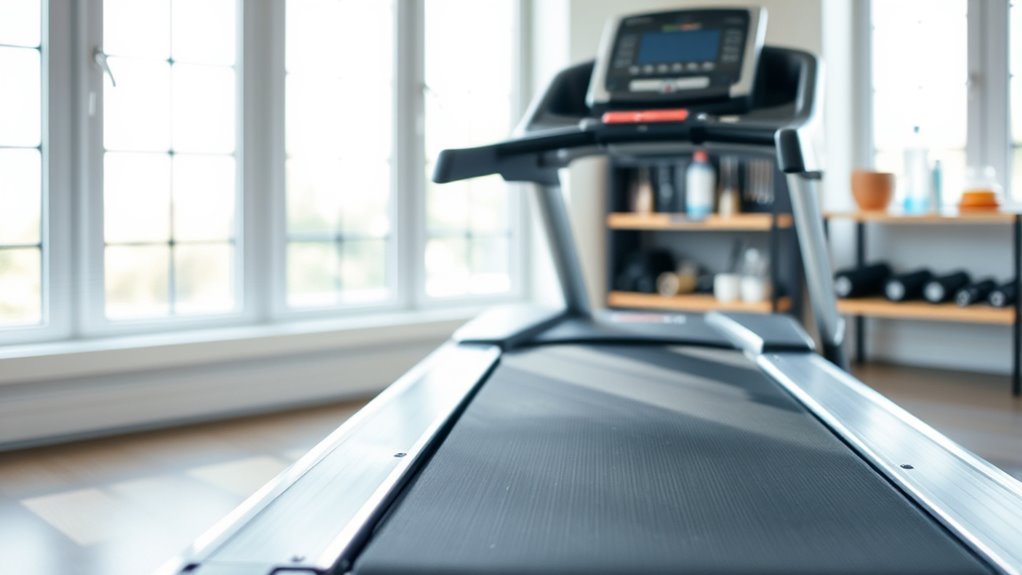
You can expect your treadmill to last about 7 to 12 years if you use it moderately and maintain it well. Regular care like cleaning, lubrication, and following weight limits helps prevent wear and keeps components running smoothly. Taking good care of your treadmill is key to its durability and overall performance.
High daily use or neglect speeds up damage, cutting lifespan considerably. The quality of parts also plays a big role in how long your treadmill will last.
If you want to know how to spot signs of wear and when replacement makes sense, keep exploring these key details. It’s all about keeping an eye on your machine and treating it right.
Key Takeaways
- A motorized treadmill typically lasts 7 to 12 years with proper use and maintenance. Durability depends on build quality, motor strength, and adherence to manufacturer guidelines.
- If you use your treadmill frequently and intensely, it might not last as long as one used more moderately or occasionally. So, how often and how hard you work out really matters.
- Regular maintenance, like lubrication, cleaning, and belt alignment, can do wonders for extending your treadmill’s life. Keeping it in good shape helps it run smoothly for years.
- Also, don’t forget about environmental factors. Dust and humidity can cause wear and tear, which might cut down your treadmill’s longevity more than you’d expect.
Factors Influencing Treadmill Lifespan
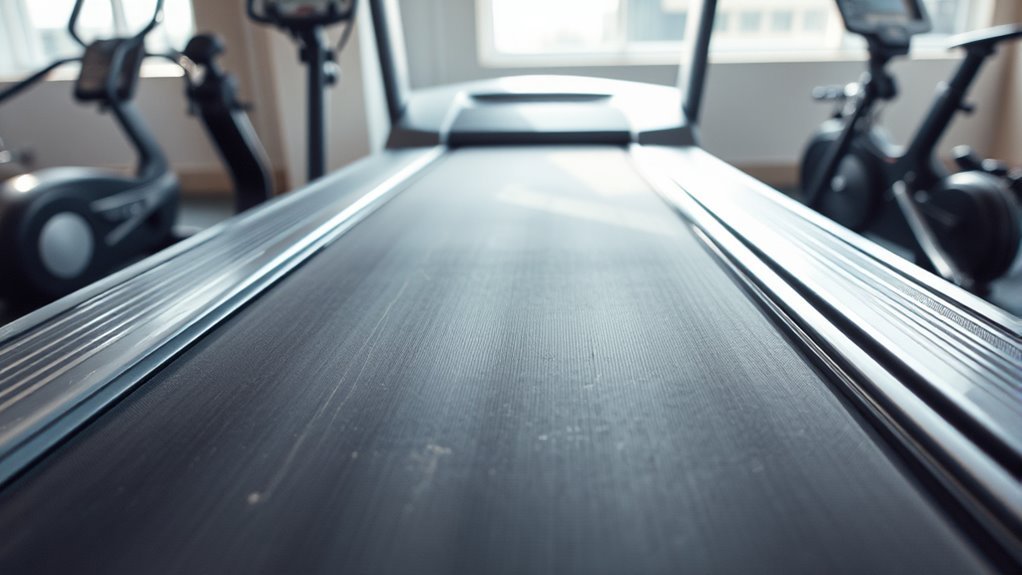
Although treadmills are built to last, several factors can substantially influence their lifespan. When you use your treadmill regularly, paying attention to maintenance is essential. Neglecting lubrication or cleaning can cause wear and tear faster.
Your treadmill’s build quality also matters—materials and motor strength affect durability. How you use it plays a role too; running at high speeds or with heavy impact can strain components.
The environment where you place the treadmill counts—excessive humidity or dust can damage electronics and mechanics. Finally, following the manufacturer’s guidelines for weight limits and usage helps prevent premature breakdowns.
Average Lifespan of Different Treadmill Types
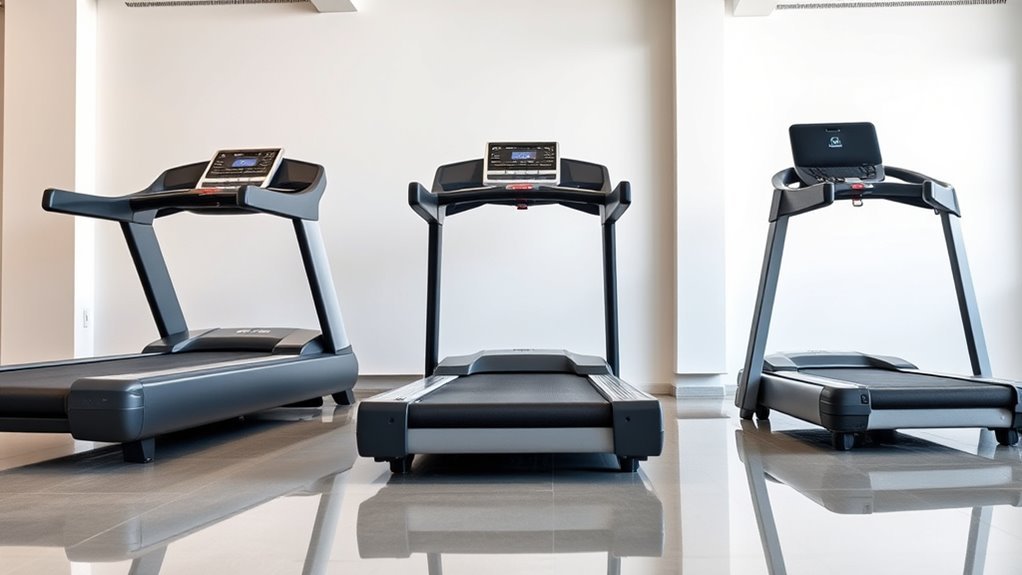
You’ll notice that motorized treadmills usually last longer than manual ones because of their advanced build and features.
Commercial models are designed to handle heavy use, so they tend to outlast home treadmills.
Understanding these differences helps you pick a treadmill that matches your durability needs.
Motorized vs. Manual Durability
When comparing motorized and manual treadmills, you’ll find their durability varies considerably due to design and usage differences. Motorized treadmills feature motors and electronic components, which can wear out over time, especially with frequent, intense use.
However, with proper maintenance, like regular lubrication and belt alignment, they often last between 7 to 12 years.
Manual treadmills, lacking motors, rely on your effort to move the belt, resulting in fewer mechanical failures and simpler maintenance. Because of this, manual treadmills often last longer—sometimes 10 to 15 years—assuming you keep the frame and belt in good condition.
Ultimately, your choice affects durability: motorized models offer more features but may need repairs sooner, while manual treadmills provide a more straightforward, long-lasting experience if you don’t mind the extra effort.
Commercial vs. Home Models
Since commercial treadmills are built to withstand constant, heavy use in gyms and fitness centers, they generally have a longer lifespan than home models. You can expect a commercial treadmill to last around 7 to 12 years with proper maintenance.
These machines feature stronger motors, sturdier frames, and higher-quality components designed for frequent, extended workouts. In contrast, home treadmills typically last 5 to 7 years since they’re used less intensively and often have lighter construction.
If you’re choosing between the two, consider how often you’ll use the treadmill and your budget. While commercial models cost more upfront, their durability makes them a better investment if you plan heavy use.
For occasional workouts, a well-maintained home treadmill should serve you well within its shorter lifespan. It really comes down to what fits your needs and how much you’re willing to spend.
Impact of Usage Frequency on Durability
Although treadmills are built to handle regular workouts, how often you use yours directly affects its lifespan. If you’re running on it daily for long sessions, wear and tear will naturally accelerate.
On the other hand, occasional users who work out a few times a week typically see their treadmills last longer. High-frequency use puts more strain on the motor, belt, and deck, meaning parts may need replacement sooner.
If you push your treadmill hard every day, expect a shorter overall durability compared to moderate use. Being mindful of how much you use it helps you set realistic expectations about when you might need repairs or a replacement.
Ultimately, your treadmill’s longevity is closely tied to your workout habits. So, keeping an eye on your usage can really pay off in the long run.
Importance of Regular Maintenance
To keep your treadmill running smoothly and extend its lifespan, regular maintenance is essential. You should routinely clean the belt and deck to prevent dust and sweat buildup, which can cause friction and wear.
Lubricate the belt as recommended in your treadmill’s manual to reduce strain on the motor and rollers. Check for loose bolts and tighten them to avoid mechanical issues.
Inspect the belt alignment and tension periodically to ensure a safe, comfortable workout and prevent damage. Don’t forget to replace the air filter if your model has one, as it keeps the motor cool.
Signs Your Treadmill May Be Nearing the End of Its Life
When your treadmill starts showing unusual noises, decreased speed, or inconsistent belt movement, it may be signaling that its lifespan is ending. You might notice the motor struggling or the console malfunctioning, both common signs that parts are wearing out.
Pay attention to these signs to avoid sudden breakdowns and costly repairs. Catching issues early can save you a lot of hassle down the road.
| Sign | What It Means | Action to Take |
|---|---|---|
| Unusual Noises | Motor or belt issues | Inspect or service ASAP |
| Decreased Speed | Motor weakening | Check motor & settings |
| Belt Slipping | Belt or rollers worn | Adjust or replace belt |
| Console Errors | Electrical faults | Reset or repair console |
| Excessive Vibration | Structural wear | Tighten parts or replace |
Identifying these early helps you plan maintenance or replacement. So, keep an eye out and don’t wait until things get worse!
How Quality of Components Affects Longevity
Since you rely on your treadmill for regular workouts, the quality of its components directly impacts how long it will last. High-grade parts like a durable motor, sturdy frame, and reliable belt reduce wear and tear, meaning fewer repairs and longer use.
When manufacturers use cheap materials, components break down faster, and performance suffers. For example, a powerful motor with good bearings runs smoothly over time, while a low-quality belt might fray or slip.
The frame’s strength also matters—it needs to support your weight without bending or creaking. Choosing a treadmill built with premium components guarantees it withstands frequent use and stress.
Tips for Extending Your Treadmill’s Lifespan
Although treadmills are built to endure regular use, you can considerably extend their lifespan with proper care and maintenance. Regularly lubricate the belt, keep the machine clean, and check for loose parts.
Proper usage, like avoiding excessive speed and weight limits, also helps reduce wear. Here’s a quick guide to keep your treadmill running longer:
| Action | Frequency | Benefit |
|---|---|---|
| Lubricate belt | Every 3 months | Reduces friction |
| Clean treadmill | Weekly | Prevents dust buildup |
| Tighten bolts | Monthly | Ensures stability |
| Monitor usage | Always | Avoids overloading parts |
Stick to these tips, and you’ll enjoy a dependable treadmill for years. Just a little effort goes a long way!
When to Consider Replacing Your Treadmill
You should think about replacing your treadmill if you notice significant signs of wear or a drop in performance. When repairs become frequent and costly, it’s often smarter to invest in a new machine.
Keeping an eye on these factors helps you avoid wasted time and money. It’s better to upgrade sooner rather than later, so you can enjoy your workouts without interruptions.
Signs of Wear
When your treadmill starts making unusual noises or the belt slips during workouts, it’s a clear sign that wear is setting in.
You should watch for these common indicators to decide if it’s time for a replacement:
| Sign | What It Means |
|---|---|
| Unusual noises | Bearings or motor issues |
| Belt slipping | Worn or misaligned belt |
| Display malfunctions | Electronics failing |
| Frame wobbling | Structural integrity compromised |
| Excessive vibration | Loose components or damage |
Ignoring these signs can lead to further damage or injury.
If you notice any of the above consistently, it’s wise to evaluate your treadmill’s condition closely.
Staying proactive helps ensure your workouts remain safe and effective.
Performance Decline
Noticing signs of wear is just the first step; a treadmill’s overall performance often reveals more about its condition. If your treadmill starts to feel sluggish, struggles to maintain speed, or produces unusual noises, these are clear indicators that its performance is declining.
You might also notice the belt slipping or the incline mechanism failing to respond properly. When your workout feels less smooth or the machine requires frequent recalibration, it’s a signal to evaluate its future.
You don’t want to risk injury or frustration by pushing a machine past its prime. Paying attention to these changes helps you decide when it’s time to replace your treadmill, ensuring you maintain a safe, effective workout routine without unexpected interruptions.
Repair Cost Threshold
Although repairing a treadmill can extend its life, there comes a point when the costs outweigh the benefits. You should consider replacing your treadmill if repair expenses start to approach the price of a new machine.
Here’s how to know when it’s time:
- Repairs exceed 50% of the treadmill’s original cost.
- Multiple components need fixing within a short period.
- You face ongoing issues that reduce workout quality.
- The treadmill’s warranty has expired, and repairs are out-of-pocket.
Frequently Asked Questions
Can Treadmills Be Recycled or Repurposed After Use?
Yes, you can recycle or repurpose treadmills after use. You might donate parts, turn the frame into furniture, or recycle metal and plastic components.
Just check local recycling guidelines to handle it responsibly and reduce waste. It’s a great way to keep things out of the landfill and give your old treadmill a second life!
How Does Treadmill Warranty Coverage Vary by Manufacturer?
You’ll find treadmill warranty coverage varies widely; some manufacturers offer lifetime frame warranties but shorter motor or parts coverage. Always check specifics—some brands cover labor, others don’t—so you know exactly what’s protected before buying.
It’s a good idea to read the fine print and compare warranties side by side. That way, you’re not caught off guard if something goes wrong later. Every brand handles things a little differently, so don’t assume coverage is the same across the board.
Are There Eco-Friendly Treadmill Models Available?
Yes, you’ll find eco-friendly treadmill models designed with energy-efficient motors and sustainable materials. These options help reduce your carbon footprint while keeping your workouts effective and enjoyable.
Look for certifications like Energy Star for guidance. They can point you to the most energy-saving choices out there. It’s a great way to stay green while staying fit!
What Is the Typical Weight Capacity of Home Treadmills?
Like the mighty Hercules, most home treadmills support weights around 250 to 300 pounds.
You’ll find some models handling even more, so check specs carefully to guarantee your treadmill matches your strength and workout goals.
Can Treadmill Belts Be Replaced Independently of the Machine?
Yes, you can replace treadmill belts independently. Just make sure you get the right size and type for your model.
With basic tools and some patience, you’ll extend your treadmill’s life without buying a new machine. It’s a pretty straightforward process once you get the hang of it!
Conclusion
Your treadmill’s lifespan depends on how well you care for it and how often you use it. Think of it as a trusty steed—regular maintenance keeps it running strong, while neglect can wear it down faster than you expect.
By paying attention to quality components and signs of wear, you can extend its life and get the most out of your investment. When it starts to falter, don’t hesitate to contemplate a replacement to keep your fitness journey on track.
In terms of durability, a well-maintained treadmill should last anywhere from 7 to 12 years. However, heavy daily use might shorten this lifespan, while occasional use with proper care could extend it even further. Remember, consistent upkeep like lubrication, belt alignment, and cleaning are key to maximizing your treadmill’s durability and overall performance. So, invest time in maintenance to enjoy a long-lasting treadmill that supports your health goals without frequent replacements.