How Much Does a Standard Gym Bar Weigh?
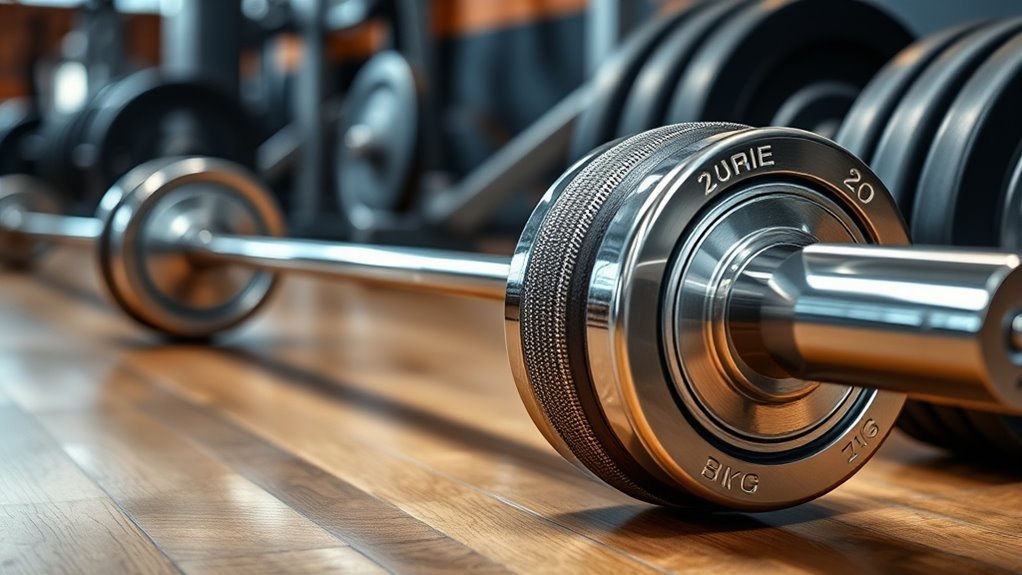
A standard gym bar, often used for weightlifting, usually weighs 45 pounds (20.4 kg). This weight is pretty common in most gyms and is great for a variety of strength training exercises.
If you’re just starting out or looking to get serious about lifting, knowing the bar’s weight helps you understand how much you’re actually lifting.
Women’s bars tend to be lighter, around 33 pounds (15 kg). They also have a shorter length and a thinner diameter, which makes them easier to handle.
Specialty bars, like those used for specific training purposes, might weigh less or more depending on their design and function.
The material and design of the bar can influence its weight as well. It’s important to keep these differences in mind so you can plan your workouts safely and track your progress accurately.
Keep exploring to see how these variations affect your training experience!
Key Takeaways
- A standard men’s gym bar typically weighs 45 pounds (20.4 kg). It’s commonly used for most barbell exercises.
- Women’s standard gym bars usually weigh around 33 pounds (15 kg). They’re designed for lighter lifting and comfort.
- Olympic standard bars generally weigh 20 kg (45 pounds) and measure about 7 feet in length.
- Bar weight varies with material, length, diameter, and type. This affects workout suitability and safety.
- Always verify bar weight using a scale or manufacturer specs. That way, you can ensure accurate fitness tracking and stay safe.
Understanding the Standard Olympic Barbell
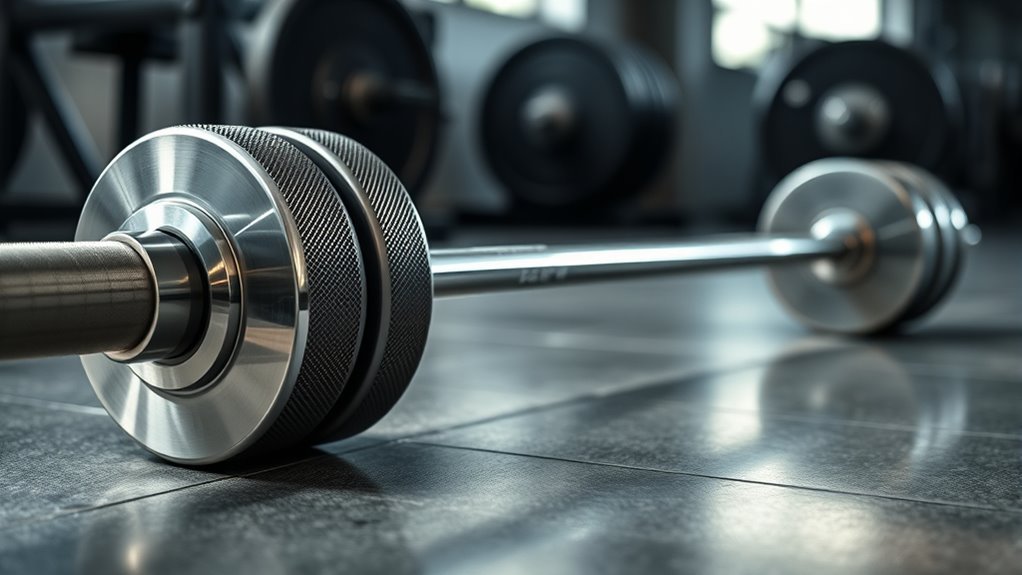
Although the standard Olympic barbell looks simple, it plays a crucial role in weightlifting and strength training. When you pick up this bar, you’re handling a carefully engineered tool designed for performance and safety.
The standard Olympic barbell is a precisely engineered tool essential for effective and safe strength training.
It measures about 7 feet long and features rotating sleeves that allow the weight plates to spin freely. This reduces stress on your wrists during lifts, making your workout smoother and safer.
The knurled grip areas give you a secure hold, preventing slips as you push through heavy reps. Plus, its steel construction offers durability and flexibility, which is essential for withstanding repeated drops and heavy loads.
Knowing these details helps you appreciate why the standard Olympic barbell is the go-to choice in gyms worldwide. It provides a consistent and reliable foundation for building strength.
Variations in Barbell Weight and Size

You’ll find that Olympic and standard bars differ not just in weight, but also in length and diameter. Olympic bars are typically longer and thicker, designed to handle heavier loads and specific lifts.
Knowing these variations helps you pick the right bar for your workout needs. It’s all about matching the bar to what you want to achieve.
Olympic Vs Standard Bars
When choosing between Olympic and standard bars, you’ll notice differences not only in weight but also in size and construction. Olympic bars typically weigh 20 kg (about 44 lbs) for men and 15 kg (33 lbs) for women, while standard bars usually weigh around 20 lbs.
Olympic bars feature rotating sleeves, which help reduce torque and improve lifting performance, especially during dynamic movements like cleans and snatches. Standard bars have fixed sleeves, making them simpler but less suitable for Olympic lifts.
Additionally, Olympic bars are built to handle heavier loads, offering greater durability and precision engineering. If you plan on lifting heavier weights or want to practice Olympic lifts, opting for an Olympic bar is wise.
For general fitness or home use, a standard bar might suffice, being more affordable and easier to store.
Length and Diameter Differences
Understanding the differences in length and diameter between Olympic and standard bars helps explain why their weights vary. Olympic bars typically measure 7 feet long and have a diameter of about 28mm for men’s bars, making them longer and thicker than standard bars.
This extra length allows for more weight plates and better leverage during lifts. Standard bars, on the other hand, are usually around 5 to 6 feet long with a thinner diameter of about 25mm.
Because they’re shorter and slimmer, standard bars weigh less, usually around 15 to 25 pounds. When you choose between these bars, keep in mind that length and thickness affect not just weight but also grip and performance.
Differences Between Men’s and Women’s Bars

You might notice that men’s and women’s gym bars differ in weight and size. Men’s bars typically weigh more and have a thicker diameter, while women’s bars are lighter and slimmer.
Understanding these design differences can help you choose the right bar for your workouts. It’s all about matching the bar to what feels comfortable and effective for you.
Weight Comparison
Although both men’s and women’s gym bars serve the same purpose, they differ markedly in weight and dimensions. When choosing a bar, understanding these weight differences helps you pick the right one for your workouts.
Here’s a quick weight comparison:
- Men’s standard bar typically weighs 45 pounds (20.4 kg), designed for heavier lifts and more strength training.
- Women’s standard bar usually weighs 33 pounds (15 kg), making it easier to handle and ideal for beginners or those with less upper body strength.
- Some gyms offer specialty bars with varying weights, but these two remain the most common standards.
Knowing these differences ensures you train safely and effectively. It helps you match the bar’s weight to your strength and goals.
Design and Dimensions
How do men’s and women’s gym bars differ beyond just weight? When you look closely, you’ll notice that men’s bars are typically 7 feet long and weigh about 45 pounds, while women’s bars are shorter—around 6.5 feet—and weigh 33 pounds.
The diameter also varies: men’s bars are usually 28mm thick, giving you a firmer grip, whereas women’s bars are slimmer at 25mm, which can feel more comfortable if you have smaller hands.
Additionally, men’s bars have more aggressive knurling patterns for a stronger grip during heavy lifts, while women’s bars feature slightly less aggressive knurling to balance grip and comfort.
Both bars have rotating sleeves to reduce wrist strain and accommodate different lifts, but these subtle design differences help tailor the experience to your needs based on gender-specific standards.
Specialty Bars and Their Weights
When training demands go beyond the standard, specialty bars come into play, each designed with unique features and weights to target specific lifts or muscle groups. You’ll find these bars vary markedly in weight and purpose, so knowing their specifics helps you choose the right one.
- Trap Bar: Usually around 45 to 55 pounds, it’s perfect for deadlifts and shrugs, reducing lower back strain.
- EZ Curl Bar: Weighing between 15 and 25 pounds, it’s designed for arm exercises like curls and tricep extensions.
- Safety Squat Bar: Typically 55 pounds, this bar has padded handles and a curved design to ease shoulder stress during squats.
Understanding these will help you optimize your workout and avoid surprises with bar weight. It’s always good to know what you’re lifting!
Material and Construction Impact on Bar Weight
Since the materials and construction methods vary, the weight of a gym bar can differ considerably. When you choose a bar made from high-quality steel, it tends to be heavier but also more durable.
The weight of a gym bar varies widely depending on materials and construction quality.
Bars made of stainless steel or chrome might weigh slightly less due to thinner plating but still offer solid strength. The thickness and diameter of the bar also play a role—you’ll notice thicker bars generally weigh more.
Additionally, construction techniques like solid forging versus welded components impact the overall weight and feel. If you prefer a lighter bar for quicker movements, you might opt for bars with hollow sleeves or lighter alloys.
Understanding these factors helps you pick a bar that suits your training style without surprises in weight. It’s all about finding the right balance that works for you.
How to Accurately Weigh Your Gym Bar
Knowing the materials and construction of your gym bar gives you a good starting point. But you’ll want to verify its actual weight to guarantee accuracy in your workouts.
Here’s how you can accurately weigh your gym bar:
- Use a Digital Scale: Place the bar on a digital floor scale for the most precise reading. Just make sure the scale can handle the bar’s weight capacity.
- Weigh with Plates: If you can’t weigh the bar alone, weigh it with plates and subtract the known weight of those plates. This method needs precise plate weights though.
- Check Manufacturer Specs: When scales aren’t available, look up the manufacturer’s weight specs. But try to cross-check with an actual measurement whenever possible.
Following these steps ensures you know exactly what you’re lifting. That way, your training stays safe and effective.
Choosing the Right Bar for Your Workout Goals
Although choosing the right gym bar can seem overwhelming, focusing on your specific workout goals will help you pick the best option. If you’re aiming to build overall strength, a standard 20 kg (45 lb) barbell with a 28mm diameter offers great versatility for squats, deadlifts, and bench presses.
For Olympic weightlifting, you’ll want a bar that’s slightly more flexible, with rotating sleeves and a knurling pattern designed for grip during snatches and clean and jerks. If your focus is bodybuilding or isolation movements, lighter bars or specialty bars like curl bars might suit you better.
Consider the bar’s weight, length, and grip texture to match your routine. Picking the right bar ensures better performance and reduces injury risks during your workouts.
Common Misconceptions About Gym Bar Weights
When you start lifting, you might assume all gym bars weigh the same, but that’s not always true. Many people think every barbell is a standard 45 pounds, but weights can vary based on type and manufacturer.
Here are three common misconceptions to clear up:
- All bars weigh 45 pounds: Olympic bars typically do, but specialty bars like women’s or technique bars often weigh less.
- Bar weight includes collars: Some gyms have fixed collars adding extra weight, so the total may be more than the bar alone.
- All bars feel equally heavy: Different bars have unique thickness and grip, affecting how heavy they feel during lifts.
Knowing these facts helps you track your progress accurately and choose the right bar for your workout. It’s always good to double-check what you’re using so you don’t get thrown off!
Frequently Asked Questions
How Often Should Gym Bars Be Replaced?
You should replace gym bars every 2-3 years or sooner if you notice bending, rust, or damaged knurling.
Regularly inspect your bars to guarantee safety and peak performance during your workouts.
It’s better to be safe than sorry, right? Keeping an eye on your equipment ensures you get the most out of every session!
Can Gym Bars Affect Workout Safety?
Yes, gym bars can affect your workout safety. If bars are damaged, worn, or improperly used, you risk injury.
Always inspect your bars regularly and replace them if you notice cracks, bends, or loose collars. It’s better to be safe than sorry!
How to Maintain and Clean a Gym Bar?
Imagine your gym bar as a trusted friend—wipe it with a dry cloth after every use.
Spray it with 70% alcohol weekly to keep it clean. Then, apply a light oil to prevent rust.
This way, you’ll keep it strong and ready for your next lift. Easy, right?
Are There Gym Bars for Beginners?
Yes, you’ll find gym bars designed for beginners. They’re often lighter and shorter than standard bars.
These bars help you build strength safely while learning proper form. That way, you can progress confidently as you get stronger.
Do Gym Bars Come With Warranties?
Yes, gym bars often come with warranties, usually covering defects or damage for a year or more.
You should check the manufacturer’s terms to know what’s included and how long your specific bar’s warranty lasts. It’s always good to be sure before you buy!
Conclusion
Now that you know a standard gym bar usually weighs 45 pounds, it’s easy to forget how much variety exists—from lighter women’s bars to heavy specialty ones. You might expect all bars to feel the same, but their differences can totally change your workout.
So, don’t just grab the first bar you see; choose the right one that matches your goals. After all, what feels light for one may be a challenge for another!
Understanding how much a standard gym bar weighs is just the start. Picking the right bar, whether it’s a men’s, women’s, or specialty bar, can make a big difference in your training. Remember, the weight and type of bar you use play a key role in your workout’s effectiveness and safety. So next time you hit the gym, keep these points in mind to get the most out of your session!