How Much Does a Bar at the Gym Weigh?
When you pick up a bar at the gym, its weight depends on the type of bar you’re using. A standard Olympic bar usually weighs 45 pounds (20 kg), which is great for most lifting exercises.
On the other hand, a women’s Olympic bar is lighter, weighing about 33 pounds (15 kg), and it features a thinner grip for better handling.
Specialty bars like curl bars or trap bars can vary quite a bit, typically weighing anywhere from 15 to 45 pounds.
Dumbbell bars are lighter still, often around 2 to 5 pounds.
Knowing these details helps you choose the right equipment and add weight safely. It’s pretty important to understand the differences so you can lift effectively and avoid injury.
There’s definitely more to discover about each bar’s unique features and uses, which can really change your workout experience.
So next time you’re at the gym, take a moment to check out the bars and see what works best for you!
Key Takeaways
- A standard Olympic barbell weighs 45 pounds (20 kg) and measures about 7 feet long with rotating sleeves.
- Women’s Olympic bars weigh 33 pounds (15 kg), are shorter (6.6 feet), and have a thinner grip for comfort.
- EZ curl bars typically weigh between 15 to 25 pounds and feature a zigzag shape for wrist-friendly curls.
- Specialty bars vary widely, weighing from 15 to 45 pounds depending on type, including trap, safety squat, and cambered bars.
- Dumbbell bars usually weigh 2 to 5 pounds, with weight varying by material and design for adjustable or fixed dumbbells.
Standard Olympic Bar Weight

A standard Olympic bar weighs 45 pounds, or about 20 kilograms. When you pick it up, you’ll notice it’s designed for strength and durability, made from high-quality steel with a knurled grip to help your hands stay secure.
The bar is typically 7 feet long and has rotating sleeves on each end to reduce stress on your wrists during lifts. If you’re lifting at a gym or competing, this is the bar you’ll most likely use for exercises like squats, deadlifts, and bench presses.
Its weight is standardized to guarantee fairness and consistency across competitions and training sessions. Knowing the exact weight helps you track your progress accurately and plan your workouts efficiently.
Women’s Olympic Bar Specifications

When you pick up a women’s Olympic bar, you’ll notice it weighs 15 kilograms, a bit lighter than the men’s version. It also has specific dimensions, like a shorter length and thinner grip, designed for better handling.
Understanding these specs helps you choose the right bar for your workouts. It’s all about finding what feels comfortable and suits your training needs.
Weight Standards
Although women’s Olympic bars are similar to men’s in design, they come with specific weight standards to meet competitive requirements. You’ll find that a standard women’s Olympic bar weighs exactly 15 kilograms, or about 33 pounds.
This weight is set by international weightlifting federations to ensure fairness in competition. Unlike men’s bars, which weigh 20 kilograms, the lighter weight allows female athletes to perform lifts without compromising technique or safety.
When you pick up a women’s bar, you’ll notice it offers the same balance and feel but is tailored to suit strength levels typical in women’s competitions. Understanding these weight standards helps you choose the right bar for training or competing, ensuring you’re practicing under authentic conditions.
Dimension Details
Because women’s Olympic bars are designed with specific competition standards, their dimensions differ slightly from men’s bars to optimize performance and comfort. You’ll find that a women’s Olympic bar measures 6.6 feet (2 meters) in length, shorter than the men’s 7.2 feet.
It weighs 15 kilograms (33 pounds), which is lighter to accommodate different strength levels. The bar’s diameter is typically 25 millimeters, slimmer than the men’s 28 millimeters, making it easier for you to grip, especially during complex lifts.
The sleeve length remains similar at around 16.3 inches, allowing enough space for loading plates securely. These dimension details help you maintain proper form and reduce fatigue during lifts, ensuring effective training or competition performance tailored specifically for women.
Specialty Bars and Their Weights

You’ll find specialty bars come in various weights, often ranging from 15 to 45 pounds depending on the type.
Curl bars, for example, usually weigh between 15 and 25 pounds and have unique grips for targeted exercises.
Knowing these differences helps you choose the right bar for your workout needs. It really makes a difference when you pick the bar that suits your goals.
Olympic Bars Weight Range
When you explore specialty Olympic bars, you’ll find they come in various weights tailored to specific training needs. Standard men’s Olympic bars typically weigh 20 kilograms (44 pounds), while women’s bars usually come in at 15 kilograms (33 pounds).
Beyond these, you’ll see specialty bars like the technique bar, which is lighter—around 5 to 10 kilograms—to help beginners master form. There are also heavier bars, such as deadlift bars weighing about 20 to 25 kilograms, designed for durability and grip.
Specialty bars for squats or safety bars may weigh more due to added features. Knowing the exact weight of each bar guarantees you accurately track your progress, so always check the bar’s specifications before starting your workout.
Curl Bars Specifications
Although curl bars are less common than standard Olympic bars, they play a crucial role in targeting specific muscle groups like the biceps and triceps. These bars are shorter and feature a zigzag shape that reduces wrist strain during curls.
Typically, curl bars weigh between 15 and 25 pounds, making them lighter than most Olympic bars.
Here’s a quick look at common curl bar specifications:
| Specification | Typical Range |
|---|---|
| Length | 47 to 55 inches |
| Weight | 15 to 25 pounds |
| Diameter | 1 inch to 1.25 inch |
| Sleeve Length | 7 to 10 inches |
Knowing these specs helps you pick the right curl bar for your workout intensity and comfort. It’s all about matching the equipment to what feels best for you.
Specialty Bar Variations
Curl bars focus on specific muscle groups, but specialty bars offer even more variety to target different lifts and training goals.
For example, the trap bar, weighing around 45 to 55 pounds, lets you perform deadlifts and shrugs with reduced strain on your lower back.
Swiss bars, typically 25 to 35 pounds, provide neutral grip options, easing wrist stress during pressing movements.
Safety squat bars, weighing about 55 pounds, feature padded yokes that help you squat with less shoulder discomfort.
You’ll also find hex bars, cambered bars, and multi-grip bars, each designed for unique movement patterns and weights ranging from 15 to 60 pounds.
Knowing these variations helps you pick the right bar for your workout, ensuring better form and targeted muscle engagement.
Understanding Powerlifting Bars
Since powerlifting bars are designed specifically for heavy lifts, you’ll notice they differ profoundly from standard gym bars. These bars typically weigh 20 kilograms (44 pounds) for men and 15 kilograms (33 pounds) for women.
Powerlifting bars are heavier and designed specifically for heavy lifts, differing significantly from standard gym bars.
They feature a stiffer shaft with less whip, which helps you maintain control during maximal lifts like squats, bench presses, and deadlifts. The knurling on powerlifting bars is more aggressive, providing a better grip, and they often include a center knurl to support back squats.
Unlike Olympic bars, powerlifting bars prioritize stability over flexibility. When you choose a powerlifting bar, you’re opting for durability and precision engineered to handle heavy loads without bending or twisting excessively under stress.
This lets you push your limits safely and effectively. So, if you’re serious about powerlifting, picking the right bar makes all the difference.
Standard Barbell vs. EZ Curl Bar
While powerlifting bars focus on heavy, controlled lifts, the gym offers a variety of bars tailored for different exercises and grips. You’ll find the standard barbell and the EZ curl bar are among the most common.
The standard barbell typically weighs 45 pounds and is straight, ideal for bench presses, squats, and deadlifts. The EZ curl bar, usually around 15-25 pounds, has a zigzag shape, reducing wrist strain during curls and tricep exercises.
| Bar Type | Weight (lbs) | Best For |
|---|---|---|
| Standard Barbell | 45 | Squats, Deadlifts, Press |
| EZ Curl Bar | 15-25 | Bicep Curls, Tricep Extensions |
| Grip Shape | Straight | Curved (Zigzag) |
Choose based on your workout needs and comfort. It really depends on what feels right for you!
Dumbbell Bars and Their Weight Variations
Although dumbbell bars might seem straightforward, their weight can vary considerably depending on design and material. When you pick up a dumbbell bar, it might weigh anywhere from 2 to 5 pounds on its own.
Some are made from lightweight aluminum, while others use steel, which adds more heft. The thickness and length also play a role; thicker bars generally weigh more.
Additionally, fixed dumbbells come with integrated bars and weights, so you won’t feel the bar’s individual weight, but adjustable dumbbells separate the bar and plates.
When you’re selecting dumbbell bars, keep in mind how their weight affects your overall load and balance during exercises. Understanding these variations helps you tailor your workouts more effectively and avoid surprises in your training routine.
How to Identify Different Gym Bars
Understanding the weight and design of dumbbell bars gives you a solid foundation for recognizing other gym bars. When you encounter different bars, look at their length and thickness first.
Standard bars, usually about 5 to 7 feet long, weigh around 20 kilograms (45 pounds). Olympic bars are longer, thicker, and have rotating sleeves, helping you identify them quickly.
You’ll also find specialty bars like the EZ curl bar, which has a zigzag shape for better wrist positioning during curls. Trap bars are square and allow you to stand inside for deadlifts.
Finally, safety squat bars have padded, curved sections for comfort and stability. By paying attention to these design features, you can easily distinguish between various gym bars and choose the right one for your workout.
Tips for Safely Adding Weight to Your Bar
Before you start adding weight to your bar, make sure you’ve secured the plates properly and chosen a manageable load to avoid injury. Start with smaller increments to feel comfortable and maintain control throughout your lift.
Always use collars or clips to keep the plates from sliding off. Avoid uneven loading; balance plates equally on both sides to prevent strain.
Here’s a quick guide to keep in mind:
| Tip | Reason |
|---|---|
| Use collars/clips | Prevent plates from sliding off |
| Add weight gradually | Avoid sudden overload and injury |
| Balance plates evenly | Maintain bar stability and control |
| Check plate condition | Ensure safe, undamaged equipment |
Following these tips helps you lift safely and effectively every time. Just take it slow and steady!
Frequently Asked Questions
How Often Should Gym Bars Be Inspected for Safety?
You should inspect gym bars before every use and schedule thorough professional checks monthly.
This guarantees safety by catching wear or damage early. It helps prevent accidents and keeps your workouts secure and effective.
What Materials Are Gym Bars Typically Made From?
Gym bars are typically made from high-quality steel for strength and durability. You’ll often find chrome or zinc coatings to prevent rust.
Some bars have knurled grips for better handling during your workouts. This helps you keep a firm grip, especially when things start to get intense.
Can Bar Weight Affect Workout Performance?
Yes, bar weight can affect your workout performance. Heavier bars challenge your strength more, while lighter ones help focus on speed and technique.
Choose the right weight to match your training goals and progress effectively. It really depends on what you want to achieve with your workout.
How to Properly Clean and Maintain Gym Bars?
Since you’re already sweating, wipe down gym bars with a dry cloth after each use.
It helps keep them clean and ready for the next person.
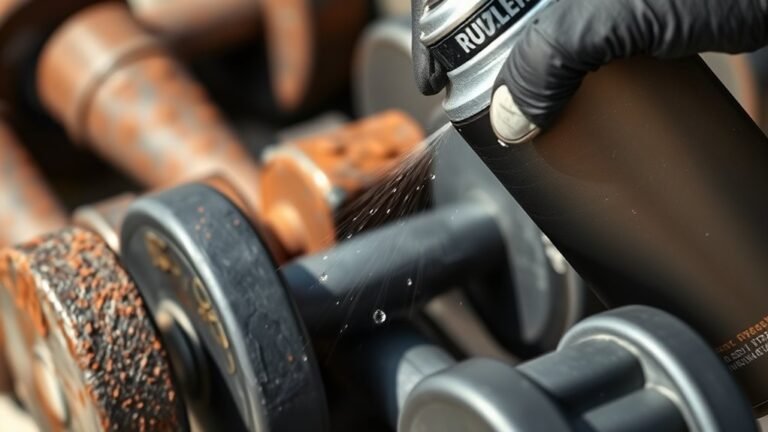
Weekly, spray a light coat of 3-in-1 oil, then scrub with a nylon brush.
This keeps them rust-free and smooth for your lifts.
Are There Bars Designed Specifically for Beginners?
Yes, you’ll find bars designed specifically for beginners. They’re lighter and easier to handle, helping you build strength safely.
Plus, you get to master proper form before moving on to heavier, standard bars used in most gyms. It’s a smart way to start your fitness journey.
Conclusion
Now that you know a standard Olympic bar weighs 45 pounds, it’s easier to plan your workouts and track progress. Fun fact: women’s Olympic bars are slightly lighter at 33 pounds, designed to suit different strength levels.
By understanding these differences, you’ll confidently choose the right bar for your lifts. Remember, knowing your equipment helps you train smarter and safer—so keep these weights in mind next time you hit the gym!
When you’re aware of how much a bar at the gym weighs, you can better tailor your workout routine. This knowledge not only helps in setting realistic goals but also prevents injury by ensuring proper load management.
So next time you grab a barbell, remember these key weights. It’s all about making your gym sessions more effective and safe!