How Can Vibration Plates Cause Nerve Damage and How to Avoid It
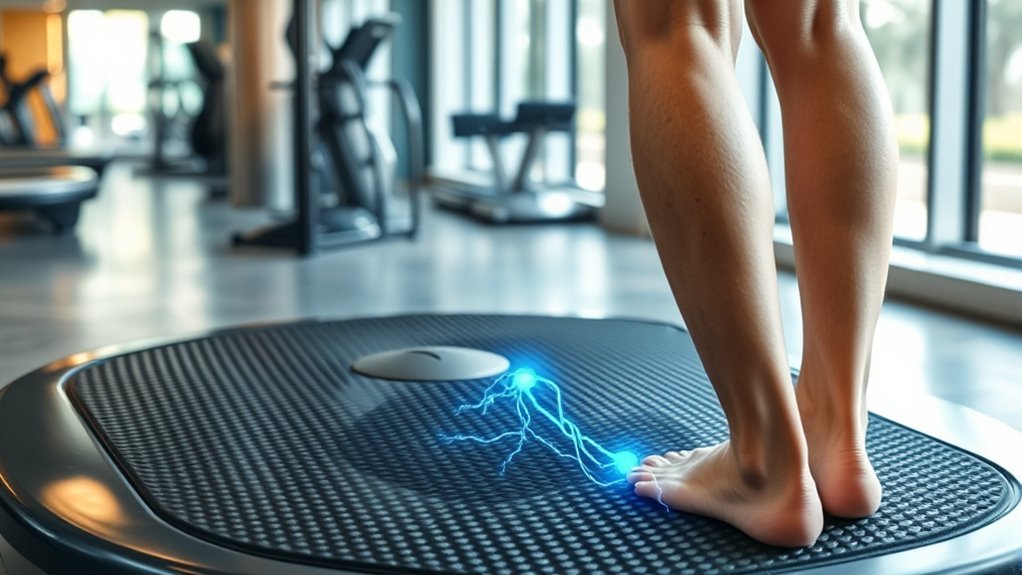
You can cause nerve damage with vibration plates if you use them too long, at high intensities, or with poor posture. Overexposure to rapid vibrations may overstimulate or compress nerves, leading to numbness, tingling, or weakness. These symptoms happen because your nerves get irritated or even injured from too much pressure or vibration.
To avoid this, limit sessions to 10–15 minutes and always keep correct form. Starting slow is super important—you don’t want to jump into high intensities right away.
If you notice any numbness, tingling, or weakness, stop immediately and talk to a healthcare provider. Understanding safe use can help you protect your nerves while benefiting your muscles.
Taking these simple steps will keep you safe and help you enjoy vibration plates without risk.
Key Takeaways
- Excessive high-frequency vibrations overstimulate nerves, causing irritation, disrupted signaling, and potential nerve injury during prolonged vibration plate use. It’s like the nerves get overwhelmed and start to misfire.
- Symptoms like tingling, numbness, muscle weakness, and burning pain signal nerve damage and require immediate cessation of vibration therapy. If you notice these signs, don’t just push through—stop right away.
- Risk factors include pre-existing neuropathies, improper posture, extended session duration, high-intensity settings, and lack of professional guidance. So, if any of these apply to you, it’s extra important to be cautious.
- Limit sessions to 10-15 minutes, use adjustable low-intensity settings, maintain proper posture, and allow rest breaks to minimize nerve strain. These simple steps can really help keep your nerves safe while using the plate.
- Consult healthcare providers before use, especially with nerve issues, and consider safer alternatives like resistance training and low-impact cardio exercises. Better safe than sorry when it comes to your nerve health!
What Are Vibration Plates and How Do They Work?
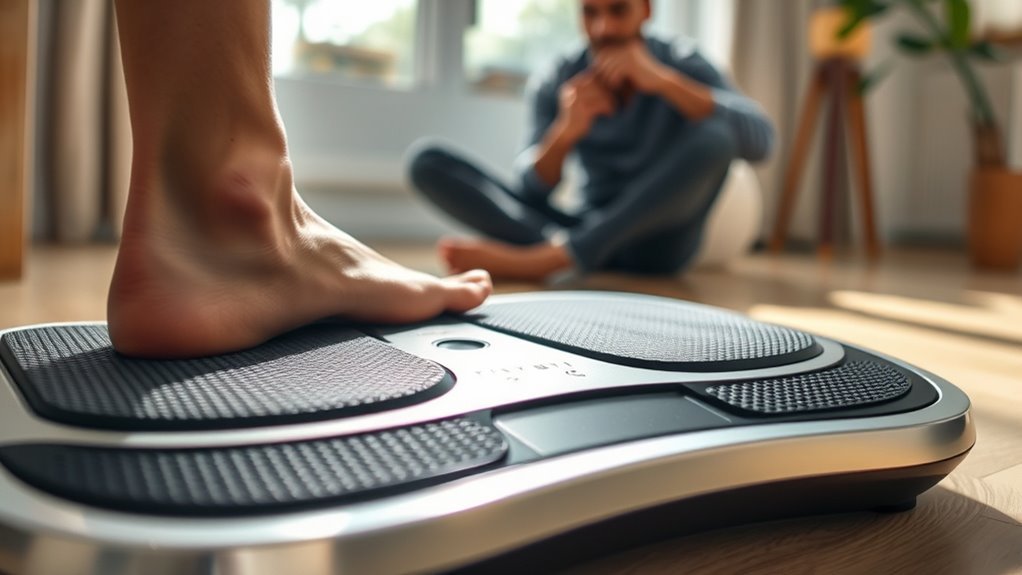
Although you might not have heard much about them before, vibration plates have become popular fitness tools that use rapid vibrations to stimulate your muscles. When you stand, sit, or perform exercises on these plates, the vibrations cause your muscles to contract and relax multiple times per second.
Vibration plates use rapid vibrations to stimulate muscles, causing frequent contractions for enhanced muscle engagement.
This repeated action increases muscle activation, potentially improving strength, flexibility, and circulation. The plates typically offer adjustable settings, letting you control vibration frequency and amplitude to match your fitness level.
Using vibration plates can complement traditional workouts by engaging muscles you might not target otherwise. However, it’s essential to use them correctly and gradually, as improper use or excessive exposure could strain your body.
Understanding how these devices work helps you maximize benefits while minimizing risks. So, if you decide to give vibration plates a try, start slow and listen to your body!
Understanding Nerve Anatomy and Function
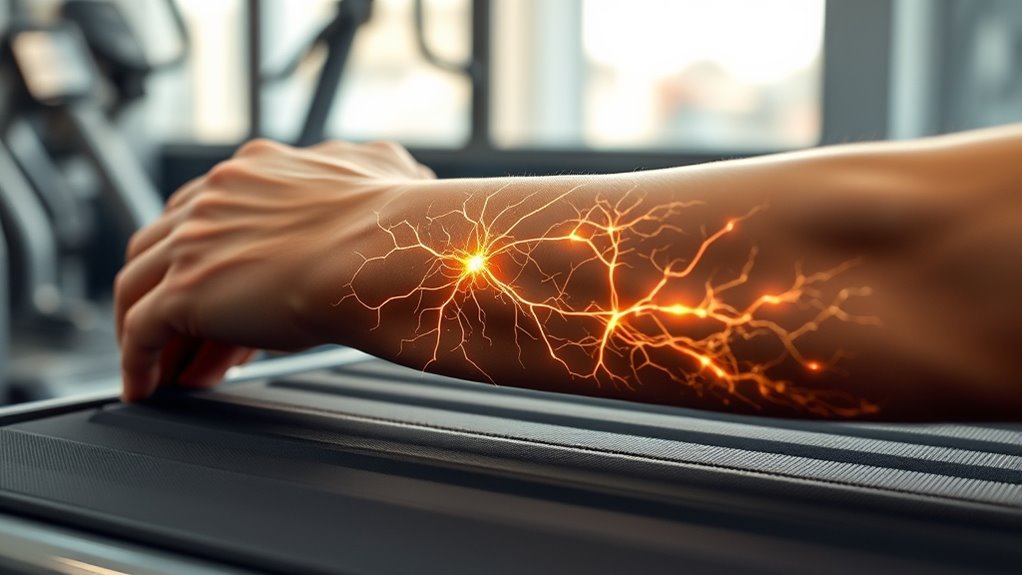
While vibration plates target muscles through rapid contractions, your nerves play a key role in controlling those muscle movements. Your nervous system sends signals from your brain to muscles, coordinating each action precisely.
Understanding this helps you see why nerve health is vital when using vibration plates.
Here’s what you should know about nerve anatomy and function:
- Structure: Nerves consist of bundles of fibers that transmit electrical impulses quickly.
- Function: They carry sensory information to the brain and motor commands to muscles.
- Vulnerability: Nerves are sensitive to pressure, stretch, and repetitive stimuli, which can cause dysfunction.
How Vibration Plates Affect Nerve Tissue
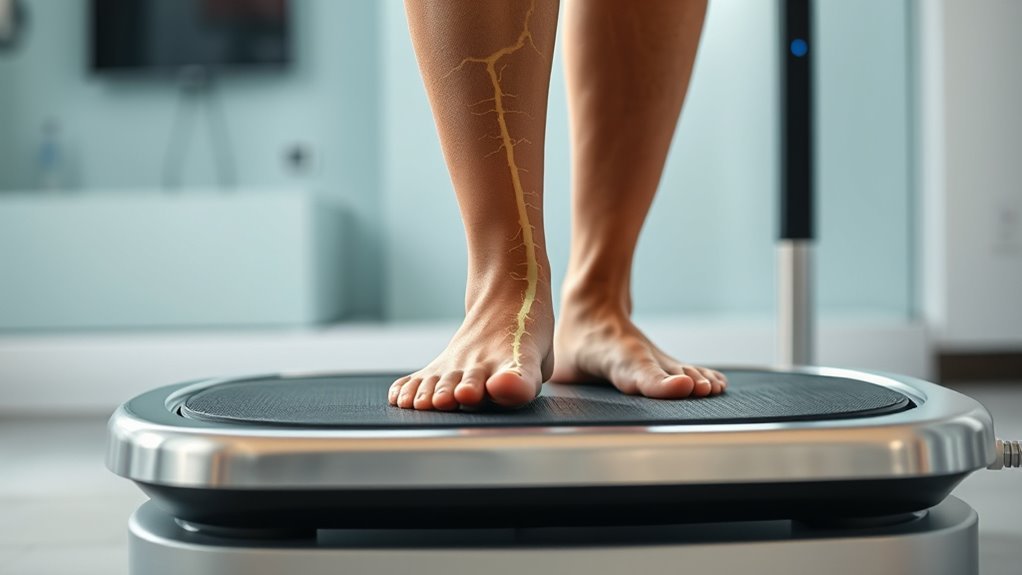
Because vibration plates deliver rapid, repeated stimuli to your muscles, they also impact the nerves controlling those muscles. These vibrations cause your nerves to fire more frequently, which can enhance muscle activation and improve coordination initially.
However, excessive or prolonged exposure to high-frequency vibrations may overstimulate nerve fibers, potentially leading to irritation or damage. The delicate nerve tissues can become inflamed or compressed, disrupting normal signal transmission.
This disruption can affect how efficiently your nerves communicate with muscles and other tissues. To protect your nerve tissue, it’s important to use vibration plates with properly adjusted settings and limit session duration.
Paying close attention to your body’s responses helps prevent nerve overstimulation and maintain healthy nerve function during vibration training. So, always listen to what your body is telling you while using these machines.
Common Symptoms of Nerve Damage From Vibration Plates
If you use vibration plates too often or at too high an intensity, you might start noticing signs of nerve irritation or damage. It’s important to recognize these early so you can adjust your routine before problems worsen.
Common symptoms include:
- Tingling or numbness: You may feel pins and needles or a loss of sensation, especially in your hands or feet.
- Muscle weakness: Your muscles might feel unusually weak or fatigued, making everyday tasks harder.
- Sharp or burning pain: Persistent discomfort or a burning sensation can indicate nerve involvement.
If you experience any of these symptoms, it’s wise to reduce your vibration plate use and consult a healthcare professional. That way, you can prevent further nerve damage and keep yourself safe.
Risk Factors That Increase Nerve Damage Potential
When you use vibration plates without considering certain factors, you increase your risk of nerve damage. Existing health conditions like diabetes or peripheral neuropathy make your nerves more vulnerable.
Using the plates too frequently or for extended periods overwhelms your nervous system, raising the chance of injury. High-intensity settings can amplify vibrations, putting extra strain on your nerves.
Ignoring proper posture or using the machine incorrectly also contributes to nerve stress. If you have poor circulation or nerve sensitivity, you’re more likely to experience adverse effects.
Age plays a role, too—older adults often have more delicate nerves. Understanding these risk factors is vital for protecting yourself from nerve damage when using vibration plates.
Safe Usage Guidelines to Minimize Nerve Injury
To protect your nerves while using a vibration plate, keep your sessions brief and controlled. Focus on maintaining correct posture to avoid unnecessary strain.
These simple steps can considerably reduce your risk of nerve injury. Just a little attention goes a long way!
Proper Session Duration
How long you use a vibration plate directly affects your risk of nerve injury. To protect yourself, you need to manage your session duration carefully.
Overusing the plate can overstimulate your nerves, causing discomfort or damage. So, follow these guidelines to stay safe:
- Limit sessions to 10-15 minutes. Staying within this range helps prevent nerve fatigue.
- Take breaks between sets. Resting for a minute or two allows your nerves to recover and reduces strain.
- Start with shorter durations. If you’re new, begin with 5-minute sessions and gradually increase as your body adapts.
Correct Posture Techniques
Although vibration plates offer many benefits, using them with improper posture can increase your risk of nerve injury. To protect yourself, always stand with your knees slightly bent and your feet shoulder-width apart.
Avoid locking your joints, as this can transmit excessive vibrations directly to your nerves. Keep your core engaged to stabilize your spine and maintain a neutral position.
If you perform exercises like squats or lunges on the plate, focus on controlled movements and proper alignment. Don’t lean too far forward or backward, which can strain nerves in your back and legs.
Listening to your body is essential—stop immediately if you feel numbness, tingling, or sharp pain. By mastering correct posture, you’ll enjoy the benefits of vibration training while minimizing nerve injury risks.
When to Stop Using Vibration Plates and Seek Medical Advice
If you notice persistent numbness, tingling, or sharp pain while using a vibration plate, you should stop immediately and consult a healthcare professional. Ignoring these warning signs can lead to worsening nerve damage or other complications.
You also need to seek medical advice if you experience muscle weakness or loss of coordination during or after sessions. Or if symptoms like burning sensations or unusual skin sensitivity persist beyond the workout.
And if you feel dizziness, headaches, or unexplained fatigue linked to vibration plate use, it’s time to get checked out.
Promptly addressing these issues helps prevent long-term harm and guarantees your safety. Don’t hesitate to pause your routine and get checked—your nerves and overall health depend on it.
Alternative Methods for Muscle Strengthening and Circulation Improvement
If vibration plates aren’t right for you, there are other ways to build muscle and boost circulation. You can try resistance training, which strengthens muscles effectively, or get your heart pumping with cardiovascular exercises like walking or cycling.
Don’t forget flexibility and mobility routines; they improve range of motion and support overall health. These options are pretty accessible and can fit into your daily routine without much hassle. Give them a shot and see what works best for you!
Resistance Training Benefits
When you incorporate resistance training into your routine, you not only build muscle strength but also enhance blood circulation throughout your body. This approach offers a powerful alternative to vibration plates, helping you avoid potential nerve damage while still improving your overall fitness.
Here are three key benefits you’ll gain:
- Increased Muscle Tone: Resistance exercises target specific muscle groups, promoting growth and endurance without overstimulating nerves.
- Improved Blood Flow: Contracting muscles during resistance training pumps blood more efficiently, aiding nutrient delivery and waste removal.
- Enhanced Joint Stability: Strengthening muscles around your joints reduces injury risk and supports better movement mechanics.
Cardiovascular Exercise Options
Alongside resistance training, cardiovascular exercise offers effective ways to build muscle strength and boost circulation. You might try activities like brisk walking, cycling, or swimming, which engage multiple muscle groups while enhancing blood flow.
These exercises improve heart health and increase oxygen delivery to tissues, supporting nerve function and muscle recovery. Incorporating interval training, where you alternate between high and low intensity, can further enhance muscle endurance and circulation.
If you prefer low-impact options, elliptical machines or water aerobics provide excellent cardiovascular benefits without stressing joints or nerves. By varying your routine and listening to your body, you reduce the risk of overuse injuries and nerve irritation.
Cardiovascular exercises complement your strength training, promoting overall health without the risks associated with vibration plates. It’s all about finding what feels good and keeps you moving!
Flexibility and Mobility Exercises
Although flexibility and mobility exercises may seem less intense than traditional workouts, they play a crucial role in strengthening muscles and improving circulation. You can use these exercises as safer alternatives to vibration plates, especially if you want to minimize nerve damage risk.
Here’s how you can benefit:
- Enhance muscle elasticity: Stretching keeps muscles supple, reducing strain and increasing strength.
- Boost blood flow: Gentle movements stimulate circulation, helping nutrients reach nerves and muscles.
- Improve joint function: Mobility work maintains range of motion, preventing stiffness and nerve compression.
Try incorporating routines like yoga or dynamic stretching into your regimen. These exercises support your nervous system health without the high-frequency vibrations that could cause nerve irritation or damage.
The key is to stay consistent. With regular practice, you’ll notice lasting improvements in muscle and nerve function.
Frequently Asked Questions
Can Children Safely Use Vibration Plates Without Risk of Nerve Damage?
You shouldn’t let children use vibration plates unsupervised, as their developing nerves are more vulnerable. To avoid risks, limit duration, guarantee low intensity, and consult a pediatrician before allowing any use.
It’s really important to keep an eye on how long they use it and make sure the intensity is low. Also, chatting with a pediatrician beforehand can give you peace of mind. Better safe than sorry when it comes to their health!
Do Vibration Plates Cause Nerve Damage Differently in Men and Women?
You might be surprised: vibration plates don’t cause nerve damage differently in men and women.
However, individual sensitivity varies, so you should monitor your body’s reactions closely. Adjust usage to avoid any risks.
How Long Does Nerve Damage From Vibration Plates Typically Take to Heal?
Nerve damage healing time varies, but it typically takes weeks to months.
You should rest, avoid vibrations, and consult a doctor for proper treatment to speed recovery and prevent further injury. Taking care early on really helps in bouncing back faster.
Are There Specific Vibration Frequencies More Harmful to Nerves?
Yes, frequencies between 15-30 Hz tend to stress nerves more, increasing damage risk. You should avoid prolonged exposure at these levels.
Choosing lower frequencies can help protect your nerves while still letting you benefit from vibration plates safely. It’s all about finding the right balance for your body.
Can Vibration Plates Worsen Existing Nerve Conditions Like Neuropathy?
Yes, vibration plates can worsen neuropathy by increasing nerve irritation or pain.
You should definitely consult your doctor before using one. Starting with low intensity is important to avoid making your nerve condition worse.
Conclusion
Vibration plates can be great for fitness, but remember, “an ounce of prevention is worth a pound of cure.” If you use them improperly, you risk nerve damage that might cause pain or numbness.
Always follow safe usage guidelines, listen to your body, and stop if you feel discomfort. Taking precautions helps you enjoy benefits without harm.
When in doubt, consult a medical professional to keep your nerves healthy and strong. Using vibration plates safely is key to avoiding nerve damage and ensuring you get the most from your workouts.