Blog

  • How Long Should You Use a Vibration Plate

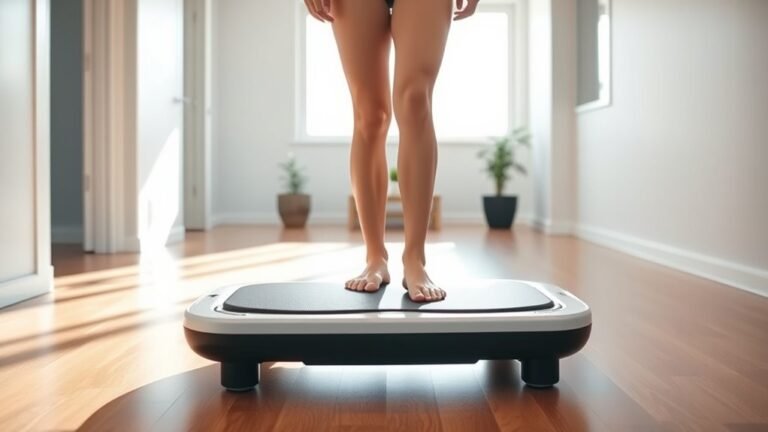
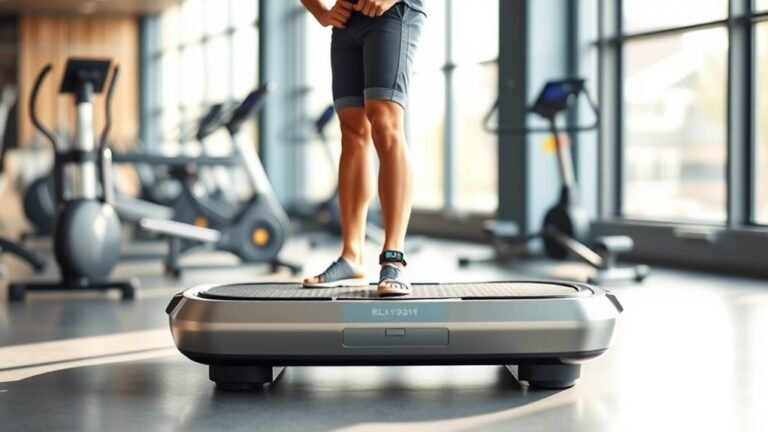
    You should use a vibration plate between 5 and 30 minutes per session, depending on your fitness level. If you’re just starting, stick to 5–10 minutes at lower intensities. Gradually increase the time as you get stronger.

    Intermediate users benefit from 15–20-minute sessions. Advanced users can go up to 30 minutes, incorporating dynamic exercises.

    Always listen to your body to avoid overuse. Keep going to discover how to tailor sessions and combine workouts for the best results.
  • How Long to Use a Vibration Plate a Day

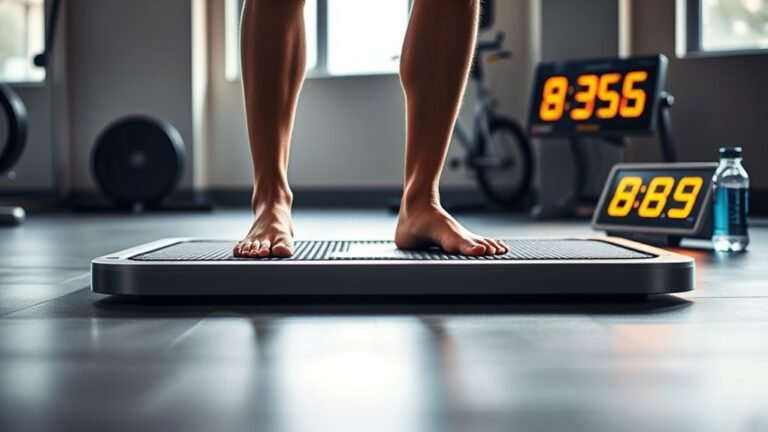
    You should use a vibration plate between 5 and 20 minutes a day, depending on your fitness level and goals.

    If you’re just starting, stick to 5-10 minutes at low intensity. Gradually increase time and intensity as you build endurance.

    Intermediate and advanced users can go up to 20 minutes with varied exercises and higher intensity.

    Keep an eye on your body to avoid soreness or joint pain. Exploring proper usage helps you maximize benefits safely and effectively.

  • How Many Calories Does a Vibration Plate Burn Step by Step

    When you use a vibration plate, your muscles contract rapidly, boosting calorie burn by about 90 to 150 calories in 30 minutes, depending on your weight, intensity, and movements.

    You can increase this by adding dynamic exercises like squats or lunges. While it won’t burn as many calories as running, it helps with muscle tone, circulation, and balance.

    Keep exploring to find out how to optimize your sessions and combine vibration training effectively.

  • How Many Calories Does the Elliptical Burn in 30 Minutes?

    You can burn between 210 and 360 calories in 30 minutes on an elliptical, depending on your weight and workout intensity. Heavier individuals and those pushing harder with higher resistance or speed tend to burn more.

    Using both your arms and legs increases calorie output, and adding interval bursts can boost results further. If you want to learn how resistance, incline, and workout tracking can ramp up your calorie burn even more, keep exploring the details.

  • How Many Calories Does a Treadmill Burn Step-by-Step

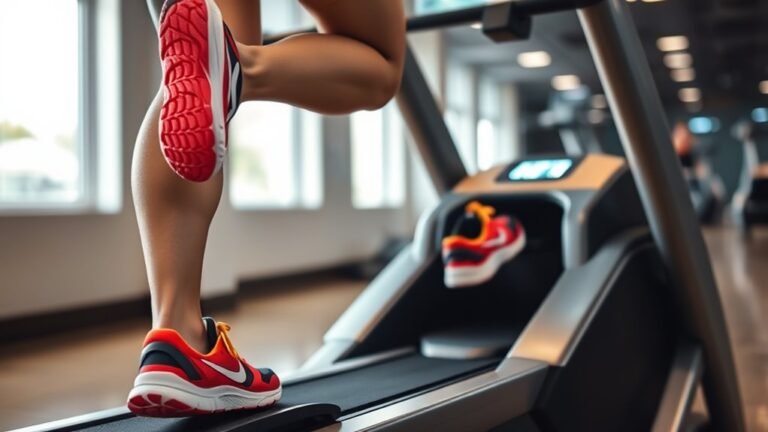
    You burn calories on a treadmill by adjusting your speed, incline, and workout length. Going faster or increasing the incline makes your muscles work harder and raises your heart rate, boosting calorie burn.

    Heavier body weight and longer sessions also increase total calories burned. Running generally burns more calories per minute than walking, and mixing speeds or inclines maximizes your effort.

    Keep these factors in mind, and you’ll find ways to improve your treadmill workouts for better results ahead. It’s all about finding what works best for you and keeping it fun!

  • How Many Calories Should I Burn on the Treadmill

    How many calories you should burn on the treadmill depends on your weight, workout intensity, and fitness goals. Heavier individuals burn more calories at the same pace, while increasing speed or incline boosts calorie burn markedly.

    Whether you walk or run, longer sessions lead to more total calories burned. To get the best results, tailor your treadmill time and effort to your level.

    If you want to maximize your workout benefits, there are effective strategies to explore. Let’s dive into some tips that can help you get the most out of your treadmill time!

  • How to Calculate Many Steps in 30 Minutes on the Treadmill

    To calculate how many steps you take in 30 minutes on a treadmill, first measure your stride length by walking a known distance and dividing that distance by the number of steps.

    Then, multiply your total walking distance in 30 minutes by the number of steps per foot. You can also use the treadmill’s built-in step counter or wearable devices for more accuracy.

    Try adjusting your speed and posture to see how your step counts vary. Keep going to discover tips for boosting your step totals effectively.

  • How Much Does a Dumbbell Weigh on Average?

    A dumbbell’s weight varies a lot, but most commonly ranges from 1 to 50 pounds. For everyday workouts, you’ll usually see dumbbells between 5 and 25 pounds.

    If you’re new, starting lighter—around 3 to 8 pounds for women and 8 to 15 pounds for men—helps you master form safely. As you build strength, you can progress to heavier weights.

    Keep in mind, choosing the right weight depends on your goals and exercises. There’s plenty more to explore on how to pick what suits you best.

  • How Much Does a Gym Sled Weigh?

    A gym sled usually weighs between 30 and 70 pounds when unloaded, depending on its type and materials. Push sleds tend to be heavier, around 40-70 pounds, while pull sleds are lighter.

    Adding weight plates or accessories increases the total load based on your training goals. Choosing the right sled weight boosts your workout’s effectiveness and safety.

    Keep going to discover how sled weight impacts your fitness progress and handling tips. You’ll get the most out of your training with the right setup!

  • How Much Does a Gym Barbell Weigh?

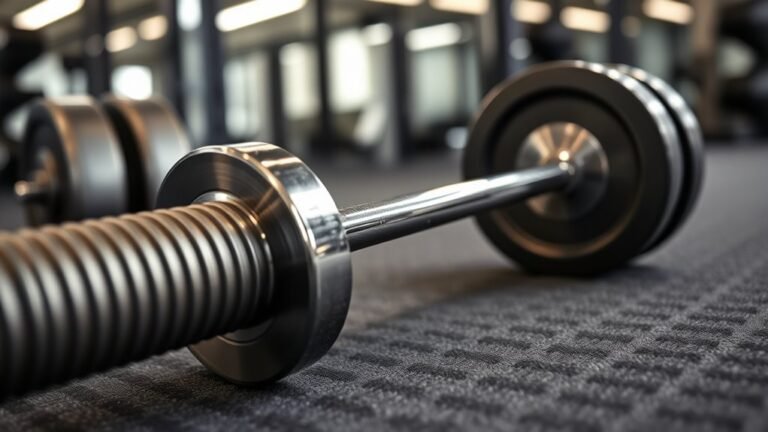
    A standard gym barbell usually weighs 20 kilograms (44 pounds), but it can vary depending on the type. Women’s Olympic barbells are lighter, around 15 kilograms (33 pounds).

    Curl bars weigh between 7 to 11 kilograms (15 to 25 pounds) and are great for arm workouts. Specialty bars like trap bars or safety squat bars are heavier, often 45 to 60 pounds.

    If you want to understand these differences better and pick the right barbell, keep exploring what each option offers. It’ll help you find the perfect fit for your training needs.