Author: Admin

  • 5 Easy Steps to Disassemble an Elliptical Machine

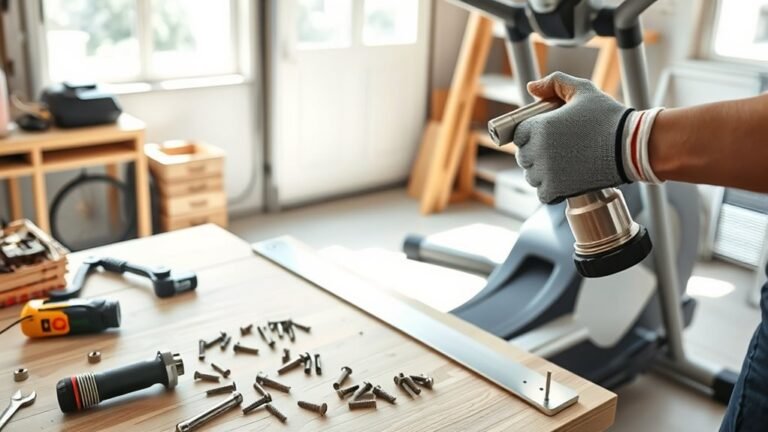
    To disassemble your elliptical machine easily, start by prepping a clean workspace and gathering tools like screwdrivers and wrenches. Unplug the machine and remove any accessories to stay safe.

    Next, detach the pedals and handlebars by loosening their bolts. Then, remove the console by disconnecting its wiring carefully.

    Finally, separate the main frame components by unbolting them for easier storage or transport. Keep following for detailed tips to make this process even smoother and safer.

  • How to Cancel Retro Fitness Membership in 7 Easy Steps

    To cancel your Retro Fitness membership, first review your contract for specific policies and prepare your membership info and photo ID.

    Then, visit your local gym during business hours and speak with a staff member directly. Submit a clear, signed written cancellation request.

    Make sure to get confirmation from Retro Fitness to avoid future charges. Keep an eye on your bank statements to verify no unexpected fees appear.

    If you want to understand all the details and avoid pitfalls, you should explore the full process. It’s worth taking the time to do it right!

  • How Much Weight Should a Bench Bar Have?

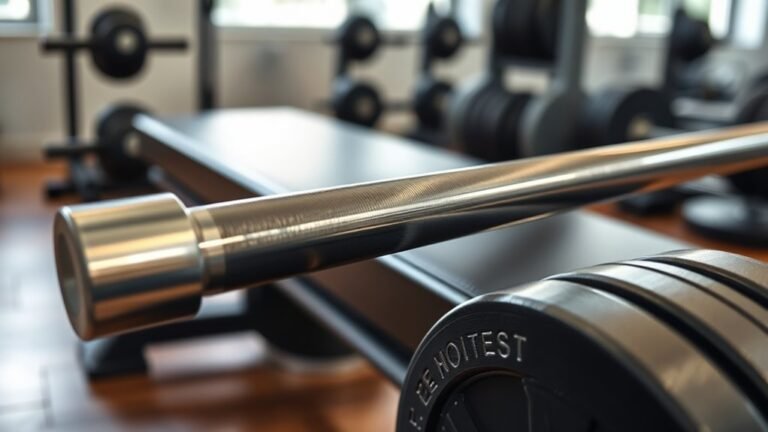
    You’ll usually find bench press bars weighing around 45 pounds, which works well for most lifters to build strength and track progress. However, some bars are lighter or heavier depending on design, like specialty or Olympic bars weighing between 33 to 45 pounds.

    You should choose a bar that matches your strength and goals to stay safe and effective. If you want to get the full picture on types, weights, and safety tips, keep exploring.

  • How Much Does a Bench Press Bar Cost?

    You can expect to pay between $30 and $80 for a basic bench press bar suitable for casual workouts. If you want an Olympic-style bar, prices range from $100 to over $400 depending on quality and features like sleeve rotation.

    Specialty bars often cost $150 to $450. Brand, material quality, and design influence cost the most.

    If you want to find the best fit for your needs and budget, there’s plenty more to explore about options and pricing.

  • How Much Does a Gym Barbell Weigh?

    A standard gym barbell usually weighs 20 kilograms (44 pounds), but it can vary depending on the type. Women’s Olympic barbells are lighter, around 15 kilograms (33 pounds).

    Curl bars weigh between 7 to 11 kilograms (15 to 25 pounds) and are great for arm workouts. Specialty bars like trap bars or safety squat bars are heavier, often 45 to 60 pounds.

    If you want to understand these differences better and pick the right barbell, keep exploring what each option offers. It’ll help you find the perfect fit for your training needs.

  • How Much Does a Gym Sled Weigh?

    A gym sled usually weighs between 30 and 70 pounds when unloaded, depending on its type and materials. Push sleds tend to be heavier, around 40-70 pounds, while pull sleds are lighter.

    Adding weight plates or accessories increases the total load based on your training goals. Choosing the right sled weight boosts your workout’s effectiveness and safety.

    Keep going to discover how sled weight impacts your fitness progress and handling tips. You’ll get the most out of your training with the right setup!

  • How Much Does a Dumbbell Weigh on Average?

    A dumbbell’s weight varies a lot, but most commonly ranges from 1 to 50 pounds. For everyday workouts, you’ll usually see dumbbells between 5 and 25 pounds.

    If you’re new, starting lighter—around 3 to 8 pounds for women and 8 to 15 pounds for men—helps you master form safely. As you build strength, you can progress to heavier weights.

    Keep in mind, choosing the right weight depends on your goals and exercises. There’s plenty more to explore on how to pick what suits you best.

  • How to Calculate Many Steps in 30 Minutes on the Treadmill

    To calculate how many steps you take in 30 minutes on a treadmill, first measure your stride length by walking a known distance and dividing that distance by the number of steps.

    Then, multiply your total walking distance in 30 minutes by the number of steps per foot. You can also use the treadmill’s built-in step counter or wearable devices for more accuracy.

    Try adjusting your speed and posture to see how your step counts vary. Keep going to discover tips for boosting your step totals effectively.

  • How Many Calories Should I Burn on the Treadmill

    How many calories you should burn on the treadmill depends on your weight, workout intensity, and fitness goals. Heavier individuals burn more calories at the same pace, while increasing speed or incline boosts calorie burn markedly.

    Whether you walk or run, longer sessions lead to more total calories burned. To get the best results, tailor your treadmill time and effort to your level.

    If you want to maximize your workout benefits, there are effective strategies to explore. Let’s dive into some tips that can help you get the most out of your treadmill time!

  • How Many Calories Does a Treadmill Burn Step-by-Step

    You burn calories on a treadmill by adjusting your speed, incline, and workout length. Going faster or increasing the incline makes your muscles work harder and raises your heart rate, boosting calorie burn.

    Heavier body weight and longer sessions also increase total calories burned. Running generally burns more calories per minute than walking, and mixing speeds or inclines maximizes your effort.

    Keep these factors in mind, and you’ll find ways to improve your treadmill workouts for better results ahead. It’s all about finding what works best for you and keeping it fun!